

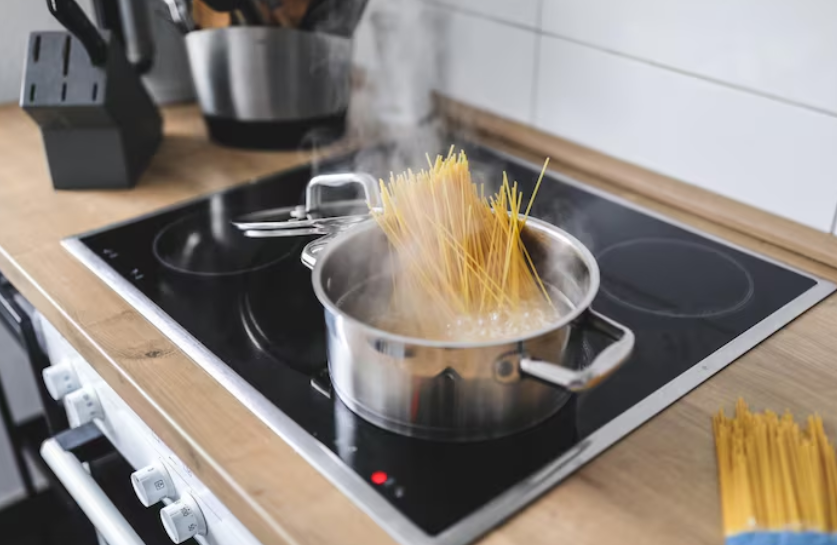
A well-designed kitchen begins with appliances that make cooking simple, efficient, and enjoyable. Among these appliances, the cooker hob is one of the most important because it serves as the primary cooking surface used every day. Whether you prepare quick breakfasts, family dinners, or elaborate meals for special occasions, the quality of your hob can influence both the cooking process and the final results.
With so many models available today, choosing the right cooker hob requires more than simply selecting a design that looks attractive. Different types of hobs offer varying levels of performance, energy efficiency, safety, and convenience. Understanding how each option works allows homeowners to make an informed decision that suits both their lifestyle and kitchen layout.
Modern cooker hobs have evolved considerably over the years. Manufacturers continue to introduce new technologies that improve cooking precision while reducing energy consumption and increasing safety. As a result, today’s buyers have more choices than ever before.
Understanding the Different Types of Cooker Hobs
The first step in choosing a new cooker hob is understanding the main categories available. The three most common options are gas, electric, and induction hobs. Although each performs the same basic function, they operate differently and provide unique benefits.
Gas hobs have remained a favourite among both professional chefs and home cooks because they offer immediate heat control. The visible flame allows users to increase or decrease the cooking temperature instantly, making it easier to prepare dishes that require careful heat management. Gas hobs are also compatible with almost every type of cookware, making them a practical choice for households with existing pots and pans.
Electric hobs are appreciated for their clean appearance and ease of maintenance. Available as solid plate or ceramic models, they use electric heating elements beneath the surface to warm cookware. Ceramic hobs, in particular, have become popular because of their smooth glass finish, which blends seamlessly into modern kitchen designs while making cleaning much easier.
Induction hobs represent one of the newest developments in cooking technology. Instead of producing heat directly from the surface, they use electromagnetic energy to heat compatible cookware. This allows food to cook more quickly while reducing wasted energy. Since the cooking surface stays relatively cool, induction hobs also provide greater safety compared to traditional cooking methods.
Finding the Right Size and Cooking Layout
Choosing the correct size is just as important as selecting the type of hob. Every kitchen has different space limitations, and every household has different cooking requirements.
Smaller households may find that a two-zone hob provides more than enough cooking capacity, while larger families often benefit from four or five cooking zones that allow multiple dishes to be prepared at the same time. Larger cooking areas are especially useful during holidays or family gatherings when several pots and pans are used simultaneously.
The arrangement of the burners or cooking zones also deserves attention. Some models feature larger burners designed for stockpots, while others include flexible cooking areas that automatically adjust to different pan sizes. Selecting the right configuration improves comfort and efficiency during meal preparation.
Performance That Matches Your Cooking Style
Every cook has different preferences when preparing meals, making cooking performance one of the most important considerations.
Gas hobs continue to stand out because of their immediate flame response. As soon as the control knob is adjusted, the cooking temperature changes instantly. This makes gas especially useful for recipes that require constant temperature adjustments.
Electric ceramic hobs provide even heating, making them ideal for simmering soups, sauces, and slow-cooked dishes. Although they may take slightly longer to heat up and cool down, they offer consistent performance for everyday cooking.
Induction hobs combine speed with accuracy. Water boils much faster compared to traditional cooking methods, while precise temperature settings allow delicate recipes to be prepared with confidence. Their rapid response makes them particularly suitable for busy households where efficiency is a priority.
Modern Features That Add Convenience
Today’s cooker hobs include a variety of advanced features that make everyday cooking more enjoyable and convenient. Touch controls have become increasingly popular because they offer a sleek appearance and accurate temperature adjustments. Traditional rotary knobs remain available for those who prefer a familiar control system.
Many premium models now include timers that automatically switch off cooking zones after a selected period. Child safety locks help prevent accidental operation, while residual heat indicators warn users when the surface remains hot after cooking.
Some induction models feature automatic pan detection, ensuring energy is supplied only when suitable cookware is present. Certain hobs even allow two cooking zones to be combined into one larger area, making it easier to cook with oversized pans or griddles.
These innovations improve both convenience and cooking precision while making modern kitchens safer.
Cleaning and Everyday Maintenance
Easy maintenance is another factor that homeowners should consider before purchasing a cooker hob. A clean appliance not only looks better but also performs more efficiently over time.
Ceramic and induction hobs have smooth glass surfaces that require very little effort to maintain. Food spills can usually be removed with a damp cloth after the surface has cooled. Since induction surfaces do not become extremely hot, spills are also less likely to burn onto the glass.
Gas hobs require slightly more maintenance because grease and food particles can collect around burners and pan supports. However, regular cleaning helps maintain consistent flame performance while preserving the appearance of the appliance.
Regardless of the chosen model, routine cleaning extends the lifespan of the hob and helps ensure safe operation.

Energy Efficiency and Environmental Benefits
Many homeowners now consider energy efficiency when purchasing kitchen appliances. An efficient cooker hob can reduce electricity or gas consumption while lowering long-term household expenses.
Induction hobs are widely recognised as the most energy-efficient option because they transfer heat directly into the cookware instead of heating the surrounding surface. This allows meals to cook faster while wasting very little energy.
Electric ceramic hobs also provide respectable efficiency, although some heat is lost during the transfer process. Gas hobs remain highly effective for many cooking tasks but generally produce more wasted heat that escapes into the surrounding kitchen.
Choosing an energy-efficient hob benefits not only household finances but also supports environmentally responsible living. Comparing electricity plans, such as reliant energy plans, can also help households make the most of these efficiency gains by securing a competitive rate.
Safety Features for Peace of Mind
Kitchen safety is essential, especially in homes with children or elderly family members. Fortunately, modern cooker hobs incorporate numerous safety features that reduce potential risks.
Induction hobs remain one of the safest options because the cooking surface itself stays relatively cool. Heat is generated only inside compatible cookware, reducing the likelihood of accidental burns. Automatic shut-off functions also provide additional protection if cookware is removed.
Gas hobs commonly include flame failure devices that automatically stop the gas supply if the flame goes out unexpectedly. Electric hobs often feature residual heat indicators that clearly show when the surface is still hot after use.
These features allow families to cook with greater confidence while improving overall kitchen safety.
Choosing a Design That Complements Your Kitchen
The appearance of a cooker hob contributes to the overall style of the kitchen. Modern manufacturers offer a wide range of finishes, including black glass, stainless steel, and elegant ceramic designs that blend easily with contemporary interiors.
Built-in hobs create a seamless countertop appearance that enhances both functionality and visual appeal. Some premium models also include smart connectivity, allowing users to monitor cooking functions through mobile devices or integrate the appliance into existing smart home systems.
While appearance should never outweigh performance, selecting a hob that complements the kitchen’s design creates a more enjoyable and attractive cooking environment.
Making a Smart Long-Term Investment
Choosing the right cooker hob involves balancing performance, efficiency, safety, design, and budget. Every household has different priorities, making it important to evaluate how often you cook, the type of meals you prepare, and the available kitchen space before making a decision.
Gas hobs remain an excellent choice for cooks who appreciate traditional flame control. Electric ceramic models provide stylish simplicity and dependable everyday performance, while induction hobs offer exceptional speed, energy efficiency, and advanced safety features.
By understanding the strengths of each option and considering your long-term cooking needs, you can confidently select a cooker hob that delivers reliable performance for years to come. A quality hob is more than just another kitchen appliance—it becomes an essential part of everyday life, helping make every meal preparation easier, safer, and more enjoyable.