
Depending on the leaves and brewing technique, green tea can have a grassy, sweet, nutty, or slightly floral flavor. Yet many drinkers give little thought to the choice between loose leaf tea and bags.
Leaf size, freshness, water flow, serving size, and convenience all shape the final cup. Tea bags work well for busy routines, while larger leaves offer more control and a fuller tasting experience. Recognizing these differences makes it easier to choose the right format.
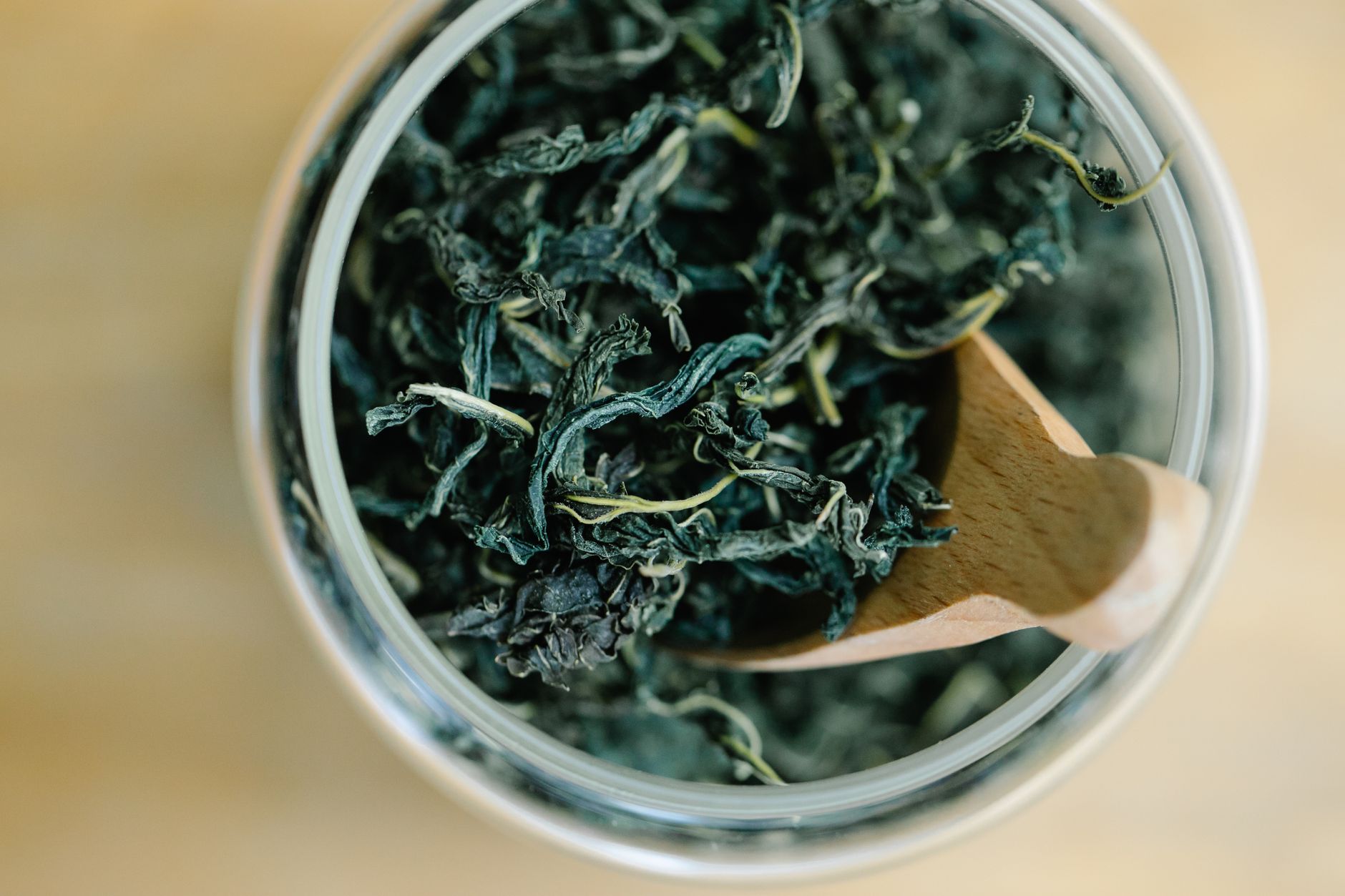
For anyone comparing everyday choices, loose-leaf green tea offers a closer view of the leaves being brewed. Larger pieces can open as they steep, giving water more room to move around them. This often brings out clearer flavor, a softer texture, and a more balanced finish. Loose tea also allows drinkers to adjust the amount, strength, and steeping time instead of relying on one fixed portion.
In This Article
Leaf Size Shapes Flavor
Many tea bags contain small particles known as fannings or dust. Their fine texture exposes more surface area to the water, allowing flavor to develop quickly. This can create a strong cup after a short steep. However, the same format may become bitter if the water is too hot or the bag stays in the cup too long.
Loose leaves usually keep more of their original shape. Once wet, they unfold gradually and release flavor at a steadier rate. The result can be a smoother cup with more noticeable aroma and sweetness. With delicate green teas, where too much bitterness can mask subtle flavors, this distinction is particularly evident.
Freshness also plays an important role. Small particles can lose aroma more quickly because more of the leaf is exposed to air. Larger pieces often preserve their character longer, although storage conditions still matter. Heat, moisture, packaging, and age can affect either format.
Brewing Control Makes a Difference
Tea bags provide a measured serving, which makes preparation straightforward. Loose leaf tea gives the brewer greater flexibility. A smaller amount may create a light morning cup, while a larger portion can produce deeper flavor without requiring an overly long steep.
Water temperature deserves careful attention. Green tea often brews well between 160 and 180 degrees Fahrenheit. Water that has reached a full boil can draw out more bitterness and make sweet notes harder to notice. A steep of two to three minutes offers a useful starting point, though the ideal time depends on the leaf style and personal preference.
The brewing vessel matters, too. A spacious infuser or teapot gives the leaves room to expand and allows water to circulate around them. A narrow strainer may restrict that movement and limit the flavor released from larger pieces. After tasting the first cup, small changes to the leaf quantity, water temperature, or steeping time can improve the result.
Convenience Favors Tea Bags
Bagged tea remains practical for travel, offices, rushed mornings, and other situations where simple preparation matters. Each serving is ready to use, and brewing generally requires only a cup, hot water, and a few minutes. Individual wrappers may also help shield portions from moisture and surrounding odors.
Loose leaf tea requires an infuser, teapot, or another brewing tool. The leaves must be removed afterward, and the equipment may need a quick rinse. That extra step is minor, but it can feel less convenient during a busy morning.
For people who drink green tea regularly, however, the preparation can become a relaxing part of the daily routine. Loose leaf brewing encourages a slower pace and makes it easier to compare different flavors, strengths, and steeping methods.
Cost and Waste Need Context
The price difference between formats depends on serving size, leaf quality, packaging, and whether the leaves can be brewed more than once. Loose leaf tea may seem pricier by package weight, yet measured portions can make the supply last longer. Some varieties also produce several enjoyable infusions, which changes the cost of each cup.
Tea bags offer convenience but may create more packaging waste through wrappers, strings, tags, and bag materials. Loose leaf brewing can reduce those components, particularly when the tea is stored in a reusable container and prepared with a washable infuser.
Choosing the Better Format
Tea bags suit people who value speed, portability, and consistent portions. Loose leaf tea works well for drinkers who care about aroma, texture, strength, and greater control during preparation. Neither format guarantees superior quality on its own. Sourcing, storage, processing, and brewing technique remain important factors.
Conclusion
The key difference between loose leaf green tea and bagged varieties lies in leaf size, brewing control, freshness, and convenience. Smaller particles release flavor quickly, while larger leaves often create a smoother, more layered cup.
Tea bags simplify preparation, but loose leaves provide greater control over serving size, water temperature, and steeping time. The right option depends on each drinker’s routine, priorities, and willingness to spend a little extra time preparing a cup.


