
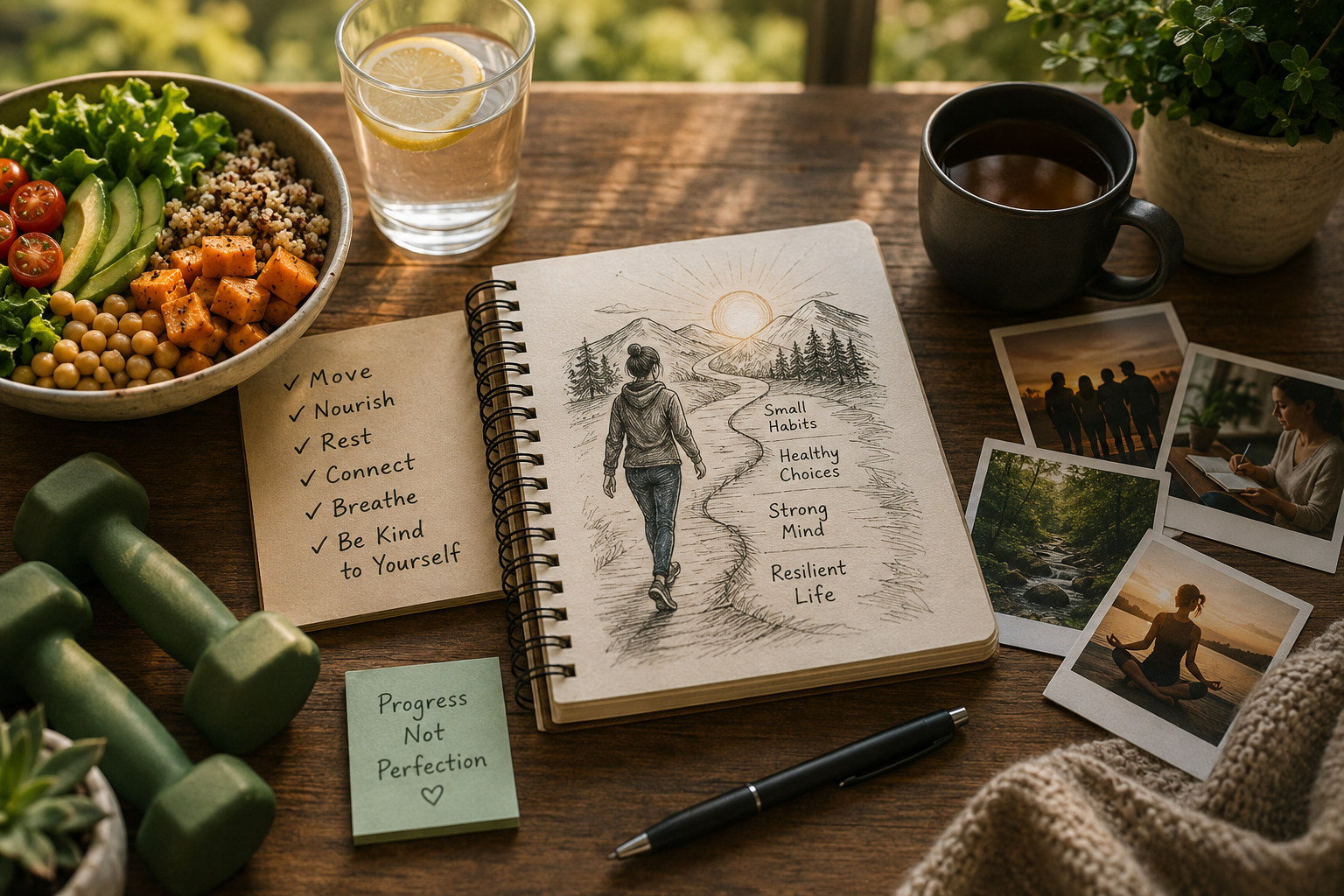
Resilience isn’t something people are born with—it’s something they build over time. It grows through everyday decisions, small acts of self-care, and the willingness to keep moving forward even when life feels uncertain. While challenges are inevitable, the habits we practice each day shape how we respond to them.
Whether someone is rebuilding after a difficult chapter or simply working toward a healthier lifestyle, resilience often comes from consistency rather than dramatic change. Healthy choices made repeatedly create stability, strengthen confidence, and make it easier to handle setbacks without losing sight of long-term goals.
In This Article
- Why Consistency Matters More Than Perfection
- Small Habits Create a Strong Foundation
- Mental Resilience Begins with Self-Awareness
- Building Healthy Relationships
- Learning to Handle Setbacks
- Nutrition Supports Emotional Well-Being
- The Importance of Physical Activity
- Rest Is a Healthy Choice Too
- Creating an Environment That Supports Better Choices
- Finding Purpose in Everyday Life
- Seeking Support When Needed
- Progress Is Built One Choice at a Time
Why Consistency Matters More Than Perfection
Many people believe they need to completely transform their lives overnight to see meaningful progress. In reality, lasting change usually happens one decision at a time.
Choosing a nutritious meal, getting enough sleep, taking a short walk, or reaching out to someone for support may seem insignificant on their own. But over weeks and months, these actions become routines that reinforce emotional and physical well-being.
Perfection is difficult to sustain, and chasing it often leads to frustration. Consistency, however, allows room for mistakes while encouraging steady progress. Missing one healthy habit doesn’t erase the benefits of all the positive choices that came before it.
Resilience grows when people learn that setbacks are temporary rather than permanent.
Small Habits Create a Strong Foundation
Healthy routines don’t need to be complicated. The simplest habits often have the greatest long-term impact because they’re easier to maintain.
Some everyday practices that support resilience include:
- Starting the day with a consistent morning routine.
- Staying hydrated throughout the day.
- Prioritizing balanced meals instead of restrictive diets.
- Moving the body regularly, even if it’s just a short walk.
- Creating a relaxing bedtime routine.
- Taking breaks from screens and social media.
- Spending time outdoors whenever possible.
Each habit reinforces the message that personal well-being deserves attention. Over time, these routines become automatic, making healthy living feel less like a chore and more like a natural part of everyday life.
Mental Resilience Begins with Self-Awareness
Healthy choices extend beyond physical wellness. Emotional health plays an equally important role in developing resilience.
Paying attention to thoughts, emotions, and stress levels allows people to recognize challenges before they become overwhelming. Journaling, mindfulness exercises, meditation, or simply taking a few quiet moments during the day can help improve emotional awareness.
Rather than ignoring difficult feelings, resilient people learn to acknowledge them without letting those emotions define every decision.
Self-awareness also encourages healthier responses to stress. Instead of reacting impulsively, people become more capable of choosing actions that support long-term well-being.
Building Healthy Relationships
No one develops resilience entirely alone.
Supportive relationships provide encouragement during difficult moments while also celebrating progress along the way. Friends, family members, mentors, and community groups all contribute to emotional strength.
Healthy relationships are built on trust, honest communication, and mutual respect. Spending time with people who encourage positive habits often makes it easier to maintain those habits consistently.
At the same time, setting healthy boundaries with relationships that create unnecessary stress is equally important. Protecting emotional energy allows people to focus on growth instead of constant conflict.
Learning to Handle Setbacks
Resilience doesn’t eliminate obstacles. It changes the way people respond to them.
Unexpected challenges can interrupt routines, affect motivation, or create emotional stress. Instead of viewing these moments as failures, resilient individuals see them as opportunities to adjust and continue moving forward.
Questions like these can be helpful after setbacks:
- What can I learn from this experience?
- What is one positive step I can take today?
- Which healthy habits can help me regain momentum?
This mindset reduces self-criticism while encouraging practical solutions.
Every difficult experience becomes another opportunity to strengthen resilience rather than weaken it.
Nutrition Supports Emotional Well-Being
Food influences far more than physical health.
Balanced nutrition helps regulate energy levels, improve concentration, and support mood throughout the day. While no single food solves emotional challenges, consistent healthy eating creates a stronger foundation for overall wellness.
Simple strategies include:
- Eating regular meals.
- Including fruits and vegetables daily.
- Choosing whole grains when possible.
- Limiting heavily processed snacks.
- Drinking enough water.
Rather than focusing on strict rules, a flexible and balanced approach to nutrition is easier to maintain over the long term.
The Importance of Physical Activity
Exercise is often associated with fitness goals, but its benefits extend well beyond appearance.
Regular movement helps reduce stress, improve sleep quality, increase energy, and boost overall mood. It also provides a healthy outlet for managing daily pressures.
Physical activity doesn’t need to involve intense workouts.
Walking, stretching, cycling, dancing, gardening, or recreational sports all contribute to physical and emotional resilience.
The key is finding activities that are enjoyable enough to become lasting habits instead of temporary obligations.
Rest Is a Healthy Choice Too
Modern life often celebrates being busy, but constant activity can lead to exhaustion and burnout.
Rest allows both the mind and body to recover. Adequate sleep improves decision-making, emotional regulation, memory, and overall health.
Beyond sleep, intentional downtime also matters.
Reading, listening to music, practicing hobbies, or simply enjoying quiet moments can restore energy and improve emotional balance.
Giving yourself permission to rest isn’t a sign of weakness—it’s part of maintaining resilience over time.
Creating an Environment That Supports Better Choices
Our surroundings influence our daily habits more than we often realize.
Simple environmental changes can make healthy decisions easier:
- Keeping nutritious snacks readily available.
- Organizing living spaces to reduce stress.
- Creating a dedicated area for exercise or meditation.
- Limiting unnecessary distractions during work.
- Surrounding yourself with positive reminders of your goals.
When healthy choices become the easiest choices, consistency naturally improves.
Finding Purpose in Everyday Life
People often stay committed to healthy habits when those habits connect to something meaningful.
Purpose doesn’t have to involve a major life mission. It can be found in relationships, creative projects, volunteering, learning new skills, or contributing to a community.
Having something to look forward to provides motivation during difficult periods and reminds people why maintaining healthy routines matters.
Purpose gives resilience direction.
Seeking Support When Needed
Building resilience independently is admirable, but there are times when additional support becomes valuable.
Guidance from trusted professionals, peer groups, or an addiction recovery center may provide structure, education, and encouragement for individuals working through significant life challenges. Seeking support reflects a commitment to personal growth rather than an inability to cope.
Everyone’s path is different, and recognizing when outside help can strengthen that journey is often a meaningful step forward.
Progress Is Built One Choice at a Time
Resilience isn’t measured by never experiencing hardship. It’s reflected in the willingness to continue making healthy choices despite life’s inevitable ups and downs.
Every balanced meal, every good night’s sleep, every honest conversation, and every positive habit contributes to a stronger foundation for the future.
Lasting resilience doesn’t appear overnight. It develops gradually through consistent actions that reinforce physical health, emotional balance, and personal confidence.
The journey may not always be easy, but every healthy decision is an investment in a more resilient, fulfilling life.