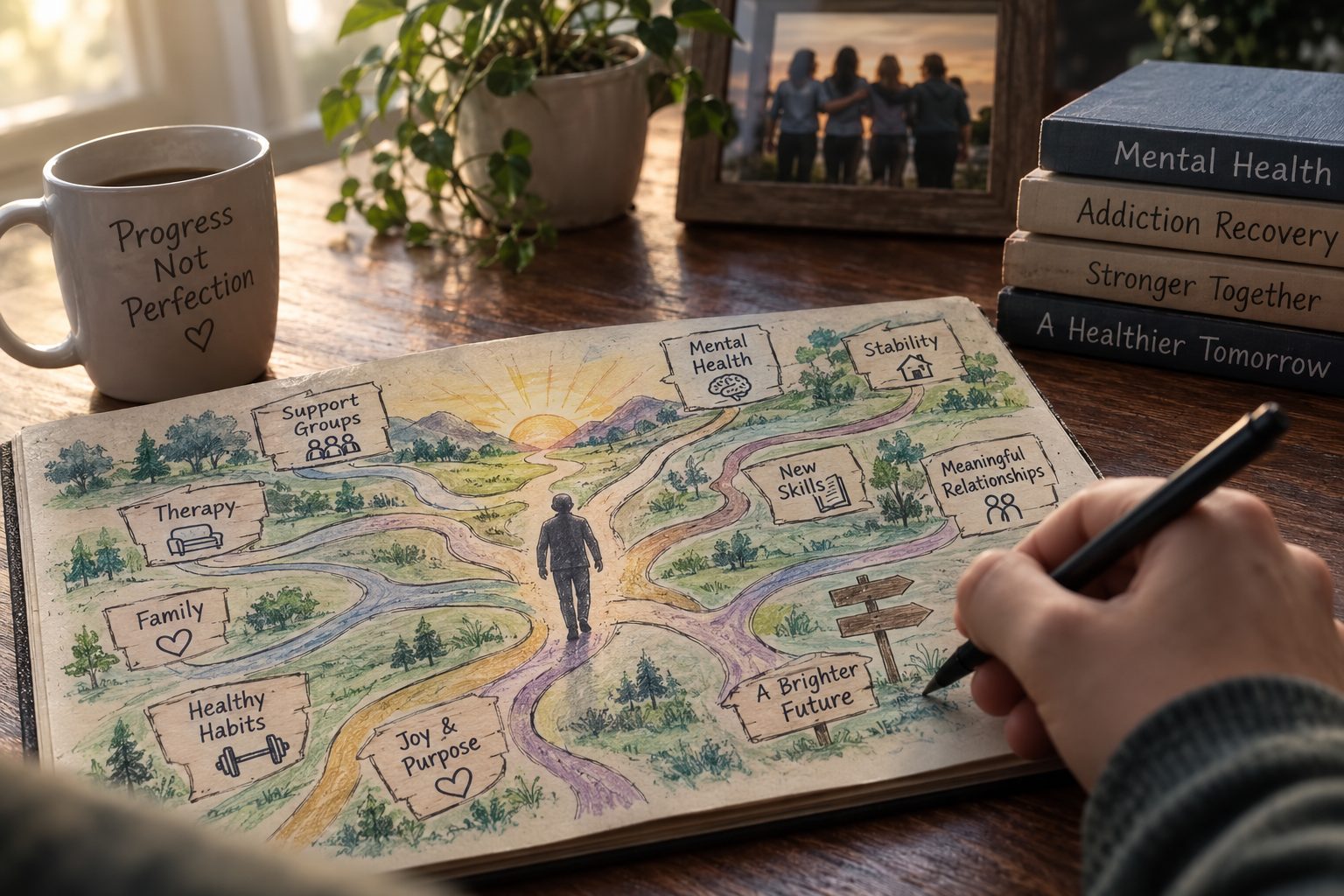
Recovery is often described as a journey, but that word can sometimes make it sound like everyone follows the same path. In reality, no two stories are alike. What helps one person build a healthier future may not be the right fit for someone else. Long-term recovery isn't about finding a single solution—it's about discovering the combination of support, habits, and personal growth that creates lasting change.
As conversations around mental health and addiction continue to evolve, more people are realizing that recovery isn't defined by perfection. It's defined by progress, resilience, and the willingness to keep moving forward, even after setbacks. Understanding the many roads to recovery helps reduce stigma and encourages individuals to seek the kind of support that aligns with their unique needs.
In This Article
- Recovery Looks Different for Everyone
- The Importance of Finding the Right Support
- Addressing More Than the Addiction
- Healthy Habits Create Strong Foundations
- Learning to Handle Setbacks
- Building a Life Worth Protecting
- The Value of Personalized Recovery
- Reducing Stigma Through Understanding
- Recovery Is an Ongoing Process
- Final Thoughts
Recovery Looks Different for Everyone
Every person's experience with addiction is shaped by different life events, relationships, physical health, and emotional challenges. Because of this, recovery should never be viewed through a one-size-fits-all lens.
Some people benefit from structured treatment early in their journey, while others find strength through peer support, family involvement, or lifestyle changes. The important thing is recognizing that healing can take many forms, and each step forward matters.
Accepting that recovery is personal also removes unnecessary pressure. There is no universal timeline, and comparing one person's progress to another's often creates unrealistic expectations.
The Importance of Finding the Right Support
Support plays a major role in maintaining long-term recovery. While determination is valuable, lasting change often happens when people feel understood, encouraged, and connected to others.
Friends, family members, mentors, therapists, and support groups can all become valuable parts of someone's recovery network. Having people who provide accountability while also offering compassion can make difficult moments easier to navigate.
Many individuals also explore different addiction therapy options to better understand the emotional and behavioral patterns that contributed to substance use. Since everyone's circumstances are different, flexibility is often one of the greatest strengths of a recovery plan.
Addressing More Than the Addiction
One of the biggest shifts in modern recovery is recognizing that addiction rarely exists in isolation. Stress, trauma, anxiety, depression, grief, and unresolved emotional pain frequently influence substance use.
Rather than focusing only on stopping addictive behaviors, long-term recovery encourages people to examine the deeper issues that affect their overall well-being.
This broader perspective allows individuals to build healthier coping skills, strengthen emotional resilience, and improve relationships. Recovery becomes about creating a meaningful life instead of simply avoiding substances.
Healthy Habits Create Strong Foundations
Daily routines often become the building blocks of lasting recovery. Small habits may seem insignificant at first, but over time they can dramatically improve physical and emotional health.
Some healthy practices include:
- Prioritizing consistent sleep
- Eating balanced meals
- Exercising regularly
- Practicing mindfulness or meditation
- Spending time outdoors
- Limiting unnecessary stress
- Maintaining positive social connections
These habits help restore stability while improving mood, energy, and overall confidence. Recovery isn't built on occasional motivation—it's strengthened through consistent actions repeated over time.
Learning to Handle Setbacks
Recovery rarely follows a perfectly straight line. Difficult days, emotional struggles, or unexpected life events can create obstacles along the way.
Experiencing setbacks does not erase previous progress. Instead, they often provide valuable opportunities to learn more about personal triggers and strengthen future coping strategies.
Many people discover that adjusting their recovery plan or exploring additional addiction therapy options helps them continue moving forward after challenges arise. Flexibility is often far more effective than expecting perfection.
The goal isn't to avoid every obstacle—it's to become better equipped to navigate them.
Building a Life Worth Protecting
Recovery becomes more sustainable when people begin creating a fulfilling life beyond addiction.
This may involve:
- Returning to school
- Developing new career goals
- Reconnecting with loved ones
- Volunteering within the community
- Pursuing creative hobbies
- Learning new skills
- Traveling or exploring new interests
Purpose provides motivation during difficult moments. When individuals begin experiencing fulfillment in everyday life, protecting that progress becomes increasingly meaningful.
The Value of Personalized Recovery
Because recovery is unique, personalization matters. Some individuals thrive with structured routines, while others benefit from greater flexibility. Some rely heavily on family support, while others build strong communities through peer connections.
Exploring different addiction therapy options allows individuals to identify approaches that match their goals, personality, and circumstances. The best recovery plan is one that remains adaptable as life changes.
Personalized care also reminds people that asking for help isn't a weakness. It reflects self-awareness and a commitment to long-term well-being.
Reducing Stigma Through Understanding
Although awareness has improved in recent years, stigma still prevents many people from reaching out for support. Misunderstandings about addiction can create shame that delays recovery.
Open conversations help challenge outdated beliefs. Addiction is a complex health condition influenced by biological, psychological, environmental, and social factors. Recognizing this encourages empathy rather than judgment.
Communities that promote education and understanding make it easier for people to seek help earlier and remain engaged throughout their recovery journey.
Recovery Is an Ongoing Process
Long-term recovery isn't defined by reaching a finish line. It's a lifelong commitment to growth, learning, and self-care.
As circumstances change, recovery strategies may evolve as well. Someone who needed intensive support early on may later focus on maintaining healthy relationships, career development, or emotional wellness. Others may revisit different addiction therapy options when facing new life challenges, recognizing that seeking additional support is a sign of strength rather than failure.
This willingness to adapt often becomes one of the greatest predictors of lasting success.
Final Thoughts
There is no single road to long-term recovery, and that's what makes recovery so personal and hopeful. Every individual deserves the opportunity to build a path that reflects their experiences, strengths, and goals.
Whether recovery begins with supportive relationships, healthier daily habits, personal reflection, or exploring appropriate addiction therapy options, meaningful change happens through consistent effort and compassion toward oneself.
Lasting recovery isn't about becoming a different person. It's about uncovering the healthiest version of who you've always had the potential to become—one step, one choice, and one day at a time.