
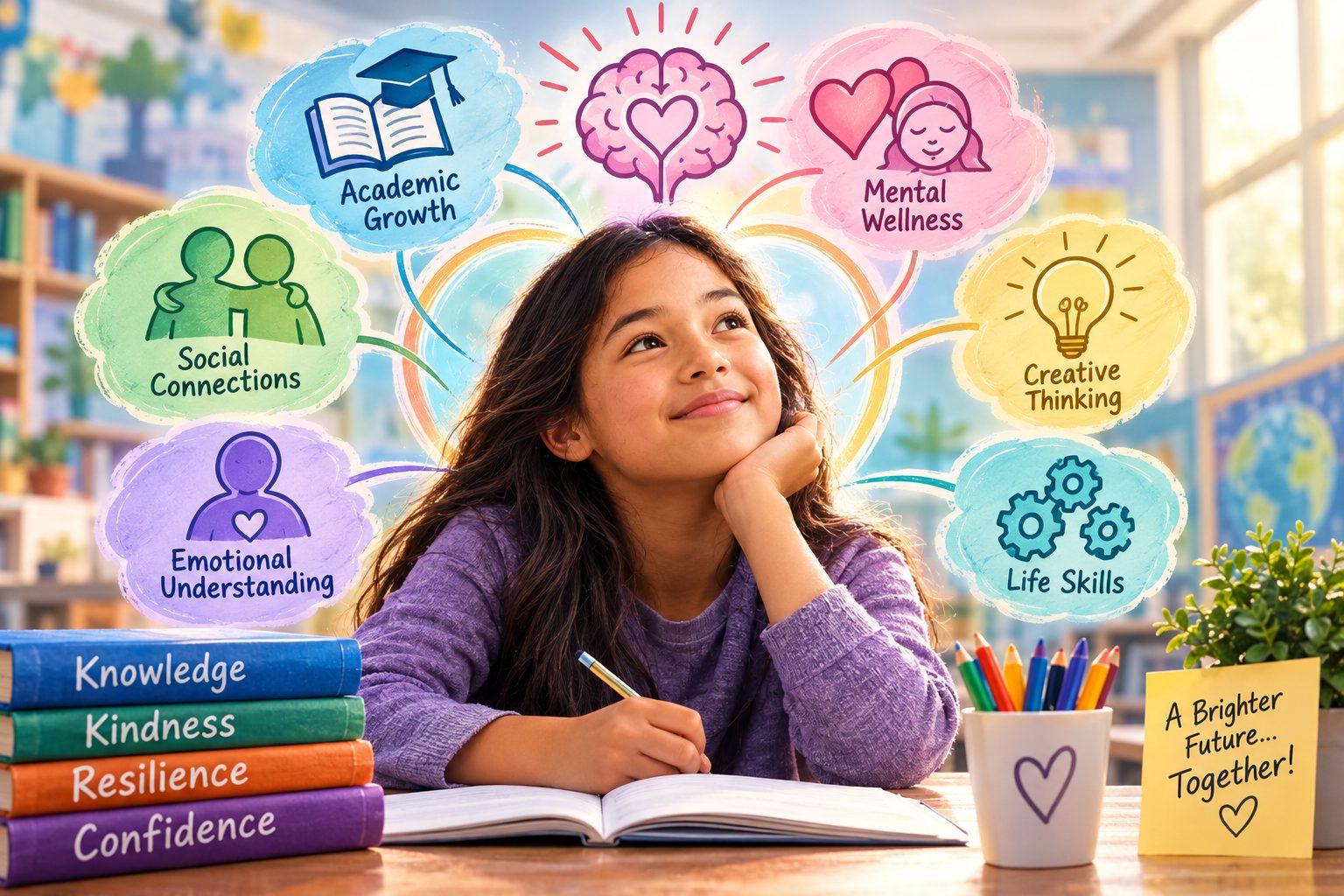
Education has always been about more than grades and test scores. While academic achievement remains important, today’s schools and learning environments are increasingly recognizing that students thrive when their emotional, social, and mental well-being are supported alongside their intellectual growth. This shift reflects a broader understanding of what it truly means to help young people succeed—not just in the classroom, but in life.
As education continues to evolve, holistic support has become a central part of creating environments where students feel safe, valued, and motivated. Rather than focusing solely on academic performance, educators are embracing strategies that address the whole person, helping learners develop resilience, confidence, healthy relationships, and lifelong skills.
Students today face challenges that previous generations may not have experienced on the same scale. Academic pressure, social media, family stress, anxiety, and uncertainty about the future can all affect learning outcomes. When these challenges go unaddressed, they often lead to decreased engagement, behavioral concerns, and declining academic performance.
Holistic education recognizes that learning cannot happen effectively when students are struggling emotionally or socially. By supporting every aspect of student development, schools can create stronger foundations for meaningful learning.
Research consistently shows that students who feel emotionally supported are more likely to:
- Participate actively in class
- Develop positive relationships with peers
- Build stronger problem-solving skills
- Stay motivated during challenges
- Achieve better long-term academic outcomes
This balanced approach helps students become capable individuals who are prepared for both educational and personal success.
In This Article
- Looking Beyond Traditional Teaching
- Mental and Emotional Wellness Are Part of Learning
- Building Strong Relationships Creates Better Outcomes
- Social-Emotional Learning Supports Lifelong Success
- Personalized Support Makes a Difference
- Creating Safe Learning Environments
- The Role of Families in Holistic Education
- Preparing Students for an Unpredictable Future
- A New Definition of Student Success
Looking Beyond Traditional Teaching
Traditional education often emphasized memorization, standardized testing, and rigid classroom expectations. While these methods still have their place, modern education is gradually shifting toward a more personalized experience.
Teachers now understand that every student learns differently. Some excel through hands-on activities, while others benefit from collaborative projects, creative expression, or individualized instruction.
Supporting different learning styles means creating flexible environments where students feel comfortable asking questions, making mistakes, and growing from experience. This kind of atmosphere encourages curiosity instead of fear and promotes confidence rather than perfection.
Mental and Emotional Wellness Are Part of Learning
Mental health has become one of the most important conversations in education. Anxiety, depression, burnout, and emotional stress can significantly affect concentration, attendance, and academic performance.
Schools are responding by incorporating wellness initiatives such as mindfulness activities, social-emotional learning, peer mentoring, and access to counseling resources. These efforts help students develop emotional awareness and healthy coping strategies before problems become overwhelming.
For some students who require more structured support due to emotional, behavioral, or developmental challenges, participation in a therapeutic education program can provide an environment that combines academics with individualized emotional and behavioral support. Rather than separating education from personal well-being, a therapeutic education program focuses on helping students strengthen both areas simultaneously.
These programs highlight an important principle that is influencing mainstream education as well: academic success is closely connected to emotional stability and personal growth.
Building Strong Relationships Creates Better Outcomes
One of the most overlooked factors in education is the quality of relationships students develop with teachers, counselors, and classmates.
When students feel respected and understood, they are more willing to participate, take academic risks, and seek help when needed. Positive relationships also reduce feelings of isolation and strengthen a student’s sense of belonging within the school community.
Educators who invest time in understanding individual students often notice improvements in attendance, classroom behavior, and overall engagement.
Parents also play an essential role in this partnership. Open communication between families and schools creates consistency that reinforces positive behaviors both inside and outside the classroom.
Social-Emotional Learning Supports Lifelong Success
Academic knowledge alone cannot prepare students for every challenge they will encounter in adulthood. Skills like communication, empathy, self-awareness, and emotional regulation have become equally valuable.
Social-emotional learning (SEL) helps students understand their emotions, manage conflict constructively, and make responsible decisions. These abilities support success in higher education, careers, friendships, and family life.
Students who develop strong emotional intelligence often become better collaborators, stronger leaders, and more adaptable problem-solvers.
Many educational settings now integrate these lessons into daily instruction rather than treating them as separate topics.
Personalized Support Makes a Difference
Every student has unique strengths, interests, and obstacles. Personalized support recognizes these differences and adapts learning accordingly.
This may include:
- Individual learning plans
- Flexible classroom strategies
- Additional academic assistance
- Behavioral coaching
- Emotional support resources
- Goal-setting sessions
For students with more complex needs, a therapeutic education program offers structured interventions that address both educational progress and emotional development. The individualized nature of a therapeutic education program allows professionals to tailor strategies that encourage consistent growth while maintaining academic expectations.
Even students who do not require specialized support benefit from educational environments that prioritize personalization over one-size-fits-all instruction.
Creating Safe Learning Environments
Students perform better when they feel physically and emotionally safe.
A supportive school culture encourages respect, inclusion, and open communication. It also addresses bullying, discrimination, and behavioral concerns proactively rather than reactively.
Safe environments allow students to express themselves without fear of judgment. This freedom fosters creativity, confidence, and stronger classroom participation.
Teachers contribute by establishing predictable routines, encouraging respectful dialogue, and recognizing each student’s unique contributions.
Small daily interactions often have lasting effects on a student’s educational experience.
The Role of Families in Holistic Education
Holistic support extends beyond school walls.
Parents, caregivers, and guardians provide valuable insight into a student’s strengths, challenges, and personal experiences. When educators collaborate with families, students receive more consistent encouragement across different areas of life.
Simple practices like regular communication, shared goal-setting, and collaborative problem-solving strengthen these partnerships.
Families also help reinforce healthy habits such as consistent sleep, balanced nutrition, time management, and emotional regulation, all of which contribute to better learning outcomes.
Preparing Students for an Unpredictable Future
The modern workforce values adaptability, collaboration, creativity, and resilience just as much as technical knowledge.
Students entering adulthood will likely experience multiple career changes, rapidly evolving technology, and increasingly diverse workplaces. Success will depend not only on academic credentials but also on emotional intelligence, communication skills, and the ability to navigate change.
Educational systems that embrace holistic support are helping students build these essential life skills from an early age.
Whether through classroom initiatives, mentorship opportunities, or participation in a therapeutic education program when appropriate, learners gain experiences that strengthen both personal and academic development.
A New Definition of Student Success
Success in education can no longer be measured solely by report cards or standardized test results.
Today’s most effective learning environments recognize that confident, emotionally healthy, and socially connected students are more likely to become engaged learners and responsible adults. By supporting the whole student, educators create opportunities for growth that extend far beyond graduation.
As schools continue adapting to changing student needs, holistic approaches will likely become an even more important part of education. Academic excellence remains essential, but it flourishes most when paired with compassion, emotional support, and meaningful relationships.
In the years ahead, approaches that value mental wellness, personalized instruction, family involvement, and programs like a therapeutic education program will continue shaping more inclusive and effective educational experiences. When students feel supported in every aspect of their lives, they are better equipped to overcome challenges, pursue their goals, and build brighter futures.

1 thought on “The Growing Importance of Holistic Support in Modern Education”