
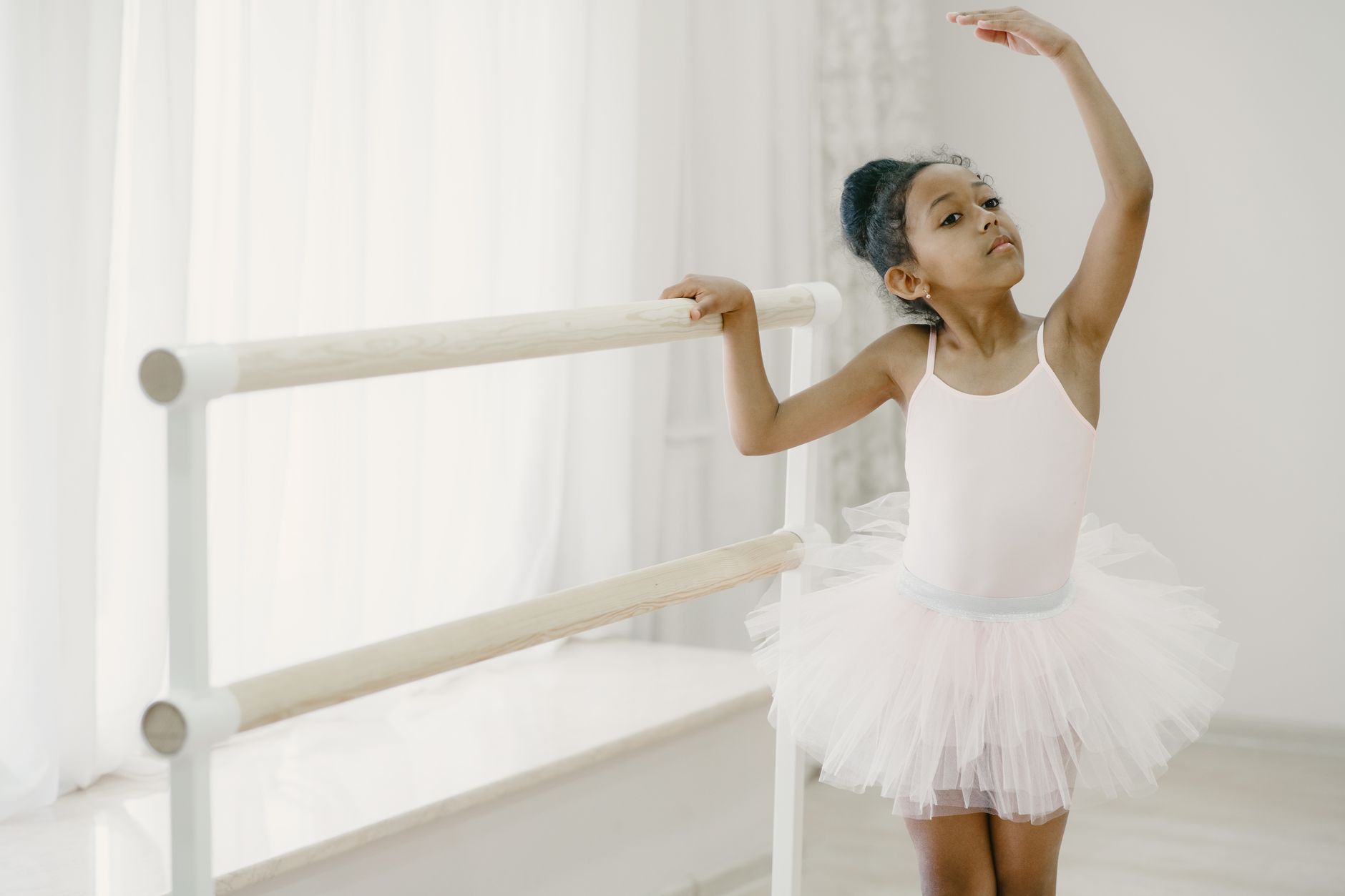
Selecting the right ballet barre is a crucial decision for any dance studio. The ballet barre is an essential tool in dance training, providing support and balance during exercises. For professional studios, the choice of barre directly impacts the quality of practice and the safety of dancers. This article explores the key considerations when choosing a ballet barre, ensuring the equipment meets the needs of instructors and students alike.
Understanding the Role of a Ballet Barre
A ballet barre is more than just a handrail; it serves as a fundamental component of ballet training. Dancers use the barre for warm-ups, to improve posture, balance, and strength. It acts as a support for developing correct technique and alignment. Therefore, selecting a stabile and ergonomic ballet barre can enhance the effectiveness of training sessions and reduce injury risk.
Types of Ballet Barres
Ballet barres come in various designs, each suited to different studio environments and dancer requirements. The two main categories are fixed barres and portable barres. Fixed barres are mounted to walls or floors, providing maximum stability and are often preferred in permanent class spaces. Portable barres, on the other hand, offer flexibility and mobility, which is advantageous for multipurpose studios or home practice.
Material Quality and Durability
The construction materials of a ballet barre impact its durability, weight, and feel. Common materials include wood, metal, and composite materials. Wooden barres are popular due to their traditional look and comfortable grip. High-quality hardwoods such as beech or maple ensure sturdiness and avoid splintering. Metal barres, often aluminium or steel, add a modern aesthetic and are highly durable but may feel colder to the touch. Durability is an important consideration to ensure the barre withstands frequent use without deforming or breaking.
Height and Adjustability
Proper height is critical for comfort and effectiveness during exercises. Standard barre height is typically around 900mm for adult dancers, yet studios with a wide age range may require adjustable barres. Adjustable barres accommodate different heights, allowing students of various ages and sizes to maintain correct posture. Portable barres often feature adjustable height settings, which is an excellent feature in dynamic teaching environments.
Length and Space Considerations
The typical barre length ranges from 1.8 metres to 3 metres. Longer barres enable multiple dancers to use the barre simultaneously, which is ideal for group classes. However, studio space often dictates the maximum length feasible. Wall-mounted barres are ideal for longer lengths, while portable barres tend to be shorter to maintain manoeuvrability. Proper spacing between barres, typically 300mm to 450mm from the wall or between multiple barres, ensures safe usage without crowding.
Fixing and Installation Requirements
Studios need to assess the installation requirements of their chosen ballet barre system. Wall-mounted barres require secure fixing points, typically into studs or solid walls to ensure stability. Floor-mounted barres need a level and firm surface for proper support. Portable barres are straightforward to set up and disassemble, which is advantageous for studios that require flexible layouts. Understanding the installation process prevents damage to the studio space and protects users.
Safety and Stability
Stability is paramount to prevent accidents during practice. A wobbly or insecure barre can cause injury and reduce confidence. Wall-mounted barres offer superior stability due to their fixed position. Portable barres should have wide, non-slip bases to prevent tipping, especially when used by energetic dancers. Checking for quality control certifications and manufacturer warranties can enhance assurance of safety standards.
Aesthetic Considerations
The appearance of a ballet barre can influence the studio’s atmosphere. Wooden barres provide a classic, warm aesthetic often preferred in traditional studios. Metal barres may suit contemporary or minimalist interiors. Some manufacturers offer custom finishes or colours, allowing the barre to complement branding and interior design. While aesthetics are secondary to function, they contribute to the overall professional image of the dance space.
Budget Constraints
Cost is another decisive factor. High-quality barres often require a larger initial outlay but prove cost-effective over time due to their durability and low maintenance. Cheaper options may degrade quickly, leading to replacement expenses and potential safety risks. Studios should balance quality, functionality, and budget to find a solution that meets both financial and operational needs.
Maintenance Requirements
Regular upkeep extends the lifespan of a ballet barre. Wooden barres need periodic polishing or sanding to maintain a smooth surface and avoid splinters. Metal components require inspection for rust or corrosion, especially in humid environments. Portable barres may require checking of joints and locking mechanisms. Selecting barres with easy maintenance features reduces downtime and preserves safety.
Ergonomics and User Experience
User comfort is enhanced by factors such as the barre’s diameter and finish. Standard barre diameters range from 38mm to 40mm, designed to fit comfortably in the hands. Smooth finishes prevent blisters and provide a secure grip during intense practice. Some barres come with padding or grip-enhancing materials, which can benefit dancers over extended sessions.
Additional Features
Modern ballet barres sometimes include extras such as built-in mirrors, integrated stretch bands, or digital measurement tools to track progress. These features can be advantageous in advanced studios aiming to elevate their teaching methods. However, studios should evaluate whether such additions align with their specific curriculum and trainee needs.
Environmental and Sustainability Factors
Studios increasingly consider the environmental impact of their equipment. Choosing barres made from sustainably sourced wood or recyclable materials reflects a commitment to eco-friendly practices. This can also appeal to environmentally conscious clients and support studio branding.
Supplier Reputation and Support
Purchasing from reputable suppliers ensures access to quality products and reliable after-sales support. Manufacturers specialising in dance equipment are more likely to provide expert advice, installation services, and warranty coverage. Working with established suppliers minimises risks linked to product defects and service delays.
Conclusion
Choosing the perfect ballet barre involves careful consideration of multiple factors including type, material, size, stability, and budget. Understanding these elements helps dance studios invest in equipment that supports dancer development and safety. By selecting a high-quality barre tailored to the studio’s unique requirements, instructors can enhance training effectiveness, fostering an environment where dancers can thrive.