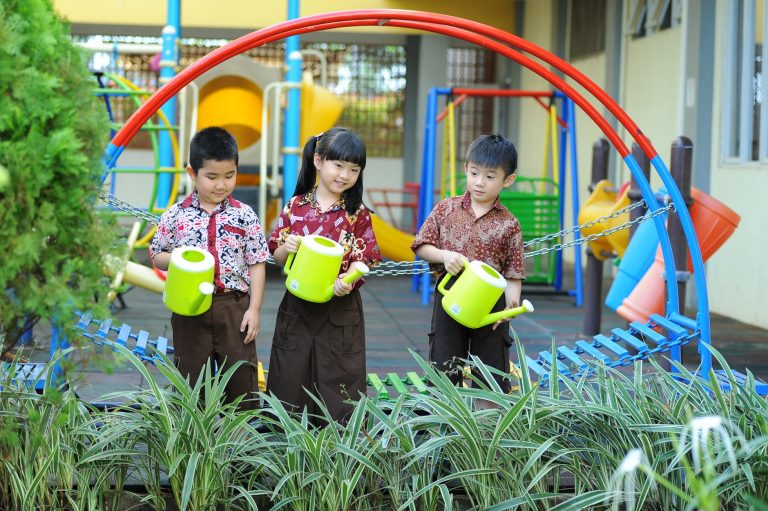
Starting Nursery 1 is an exciting milestone for both children and parents. For many young children, it is their first experience in a structured learning environment outside the home. While this transition can bring excitement, it can also create uncertainty as children adjust to new routines, teachers, classmates, and surroundings. Parents looking for a nurturing early learning environment often consider KiddiWinkie Schoolhouse Nursery 1 for its child-centred curriculum, engaging activities, and supportive approach to early childhood development.
Every child develops at their own pace, so there is no single formula for preparing for Nursery 1. However, helping your child build confidence, independence, and familiarity with everyday routines can make the transition smoother and more enjoyable.
This guide explores practical ways parents can prepare their children for Nursery 1 while supporting their emotional and developmental needs.
In This Article
What Is Nursery 1?
Nursery 1 is an early childhood education programme designed for young children, typically around three years of age, although age requirements vary between schools.
At this stage, learning focuses on developing foundational skills through play, exploration, and guided activities rather than formal academic instruction.
Children are introduced to routines that encourage communication, creativity, social interaction, problem-solving, and independence.
The goal is to build confidence while supporting overall development in a safe and nurturing environment.
Building Independence at Home
One of the best ways to prepare your child for Nursery 1 is by encouraging independence in everyday activities.
Simple tasks such as putting on shoes, washing hands, packing a small bag, tidying up toys, and feeding themselves help children become more confident in managing daily routines.
These small achievements also prepare them for classroom activities where teachers encourage children to complete age-appropriate tasks independently.
Remember that independence develops gradually, so patience and encouragement are more effective than expecting perfection.
Establishing a Daily Routine
Children generally feel more secure when they know what to expect.
Several weeks before Nursery 1 begins, try introducing a consistent daily schedule that includes regular wake-up times, meals, playtime, and bedtime.
Following a predictable routine helps children adjust more easily to the structured environment they will experience at school.
Ensuring your child gets enough sleep is also important, as well-rested children are often better able to concentrate and manage new experiences.
Encouraging Social Skills
For some children, Nursery 1 may be their first opportunity to spend extended time with other children.
Providing opportunities to interact with cousins, neighbours, or friends through supervised playdates or community activities can help them become more comfortable sharing, taking turns, and communicating with others.
These early social experiences build confidence and support smoother interactions in the classroom.
It is normal if your child is initially shy, as social confidence develops over time.
Talking Positively About School
Children often take emotional cues from their parents.
Speaking positively about Nursery 1 helps create excitement rather than anxiety.
You might talk about making new friends, listening to stories, singing songs, creating artwork, and playing with toys at school.
Avoid using school as a threat or punishment, as this may create unnecessary fear or resistance.
Instead, present Nursery 1 as a fun place where children learn through enjoyable activities.
Reading Together
Reading books about starting school can help children understand what to expect.
Stories featuring classrooms, teachers, and new friendships introduce familiar situations in an age-appropriate way.
Reading together also supports language development, listening skills, and early literacy, all of which contribute to school readiness.
Encouraging your child to ask questions about the story can also help address any concerns they may have about starting school.
Preparing for Separation
Separation anxiety is common, especially if your child has spent most of their time at home.
Practising short periods apart with trusted family members or caregivers can help your child gradually become more comfortable being away from you.
When the first day of Nursery 1 arrives, keep your goodbye brief, positive, and reassuring.
Lengthy farewells can sometimes make separation more difficult for both parents and children.
Most children adjust as they become familiar with their new environment.

Supporting Emotional Development
Starting school involves many new emotions.
Some children feel excited, while others may feel nervous or overwhelmed.
Encourage your child to express their feelings openly and listen patiently without dismissing their concerns.
Reassuring them that it is normal to feel both excited and nervous helps build emotional resilience.
Celebrating small successes during the first few weeks also reinforces their growing confidence.
Working Together with Teachers
Parents and teachers share the same goal of supporting a child’s development.
Maintaining open communication with your child’s teachers allows you to understand how they are adjusting and identify any areas where additional support may be helpful.
Sharing information about your child’s interests, routines, or preferences can also help teachers provide a more comfortable learning experience.
Building a positive partnership between home and school benefits the child’s overall development.
Conclusion
Preparing your child for Nursery 1 is about much more than buying school supplies. It involves helping them develop independence, confidence, social skills, and emotional readiness for a new stage of learning.
Every child adapts differently, and some may need more time than others to settle into their new environment. With patience, encouragement, and consistent support from both parents and teachers, most children gradually become comfortable and begin enjoying their Nursery 1 experience.
By focusing on preparation rather than perfection, you can help your child approach this important milestone with confidence and curiosity.
FAQs
What age do children usually start Nursery 1?
The starting age varies by school, but many children begin Nursery 1 at around three years old.
How can I reduce my child’s separation anxiety?
Practising short separations, maintaining a positive attitude about school, and keeping goodbyes calm and reassuring can help ease the transition.
Should my child know how to read before Nursery 1?
No. Nursery 1 focuses on early learning through play, communication, and exploration rather than expecting children to read independently.
How long does it take children to adjust to Nursery 1?
Every child is different. Some adjust within a few days, while others may take several weeks to become fully comfortable with their new routine.