Starting kindergarten is an important milestone in a child’s development. It is often the first structured learning environment where children begin building the academic, social, and emotional skills that prepare them for primary school and beyond. Parents exploring early childhood education options may consider Ang Mo Kio Preschool, Infant Care & Childcare Centre by Little Footprints Preschool for programmes designed to support children’s holistic growth and school readiness. While every child develops at their own pace, attending a quality kindergarten can help nurture curiosity, confidence, independence, and a lifelong love of learning.
For families living in Ang Mo Kio, there are numerous kindergarten options available, each offering different teaching philosophies, learning environments, and programmes. With so many choices, parents may find it challenging to determine which kindergarten is the best fit for their child’s individual needs.
Choosing a kindergarten should involve more than selecting the closest school or the one with the most attractive facilities. Understanding what contributes to a positive early childhood education experience can help parents make a well-informed decision.
In This Article
- Understanding the Role of Kindergarten
- Considering the Curriculum
- The Importance of Qualified Educators
- A Safe and Nurturing Learning Environment
- Supporting Social and Emotional Development
- Encouraging Creativity and Curiosity
- The Importance of Parent and School Communication
- Practical Considerations for Families
- Visiting Potential Kindergartens
- Preparing Children for Kindergarten
- Conclusion
Understanding the Role of Kindergarten
Kindergarten serves as a bridge between home and formal education.
Children are introduced to structured routines while continuing to learn through exploration, creativity, and play. During these early years, they begin developing language, numeracy, problem-solving, communication, and social skills that provide a foundation for future learning.
Equally important is the development of emotional resilience and confidence. Kindergarten gives children opportunities to interact with peers, follow instructions, express themselves, and develop independence in a supportive environment.
A well-rounded programme balances academic preparation with opportunities for imaginative play, physical activity, and social interaction.
Considering the Curriculum
One of the first aspects parents often examine is the curriculum.
Different kindergartens may adopt varying educational approaches while still meeting Singapore’s early childhood learning objectives. Some programmes place greater emphasis on structured academic learning, while others encourage inquiry-based, play-based, or child-led learning experiences.
Rather than focusing solely on academic achievement, parents should consider whether the curriculum supports the child’s overall development.
A quality programme encourages children to ask questions, solve problems, communicate effectively, and develop confidence in their own abilities.
Learning experiences should also remain engaging and age-appropriate, helping children enjoy the process of discovering new ideas.
The Importance of Qualified Educators
Teachers play one of the most significant roles in a child’s kindergarten experience.
Beyond delivering lessons, educators guide children’s emotional development, encourage positive behaviour, and create a classroom environment where every child feels supported.
Experienced teachers understand that every child learns differently. They recognise individual strengths, provide encouragement when challenges arise, and adapt teaching methods to suit varying learning styles.
Parents may benefit from learning about the qualifications, experience, and professional development of the teaching team.
Strong relationships between educators and families also contribute to better communication and a more positive learning experience.
A Safe and Nurturing Learning Environment
Children learn best when they feel safe, comfortable, and valued.
A welcoming classroom encourages participation, creativity, and confidence.
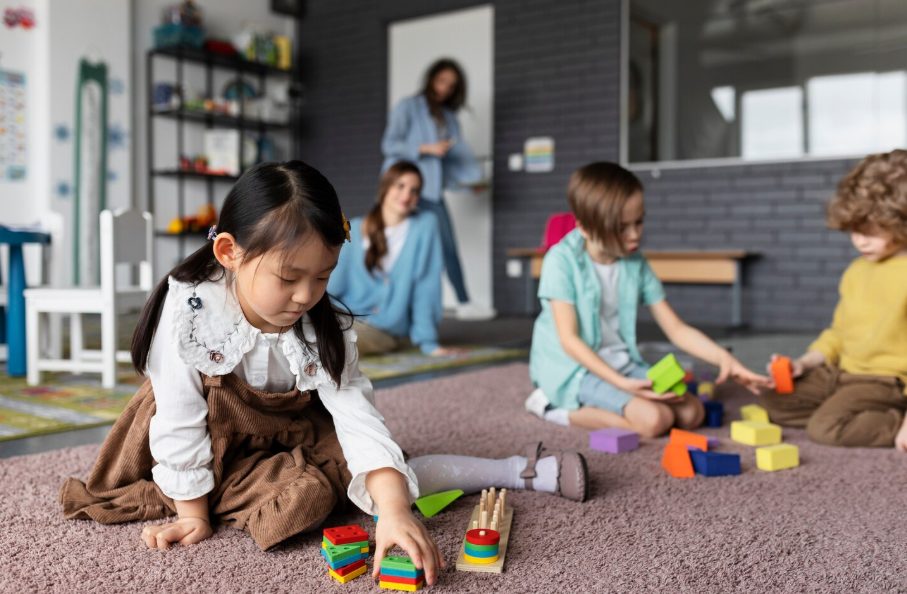
When visiting a kindergarten, parents may observe how classrooms are organised, whether learning materials are easily accessible, and how children interact with teachers and classmates.
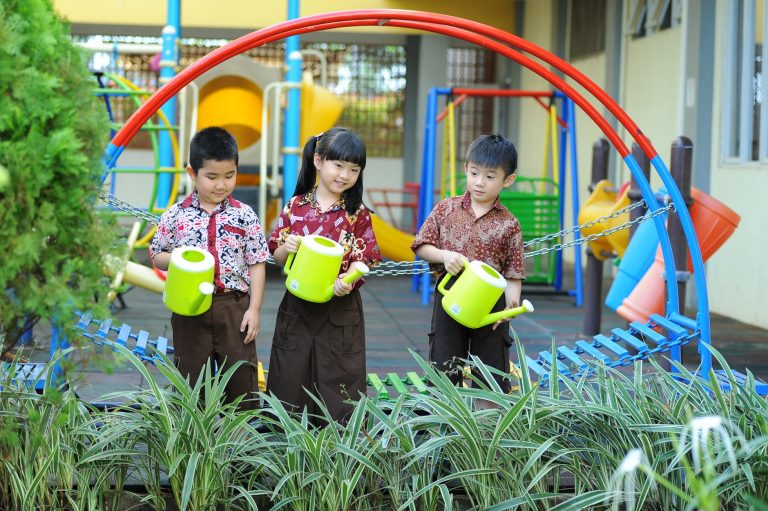
Outdoor play areas, reading corners, creative activity spaces, and hands-on learning resources all contribute to an engaging environment.
Cleanliness, safety measures, and age-appropriate facilities are equally important considerations.
A nurturing environment supports both learning and emotional wellbeing.
Supporting Social and Emotional Development
Academic learning is only one part of early childhood education.
Kindergarten also provides opportunities for children to develop important social and emotional skills.
Daily interactions teach children how to share, cooperate, resolve disagreements, express emotions appropriately, and build friendships.
These experiences help children develop empathy, patience, and resilience.
Teachers often guide children through everyday situations that encourage respectful communication and teamwork.
These skills continue to benefit children well beyond their kindergarten years.
Encouraging Creativity and Curiosity
Young children naturally enjoy exploring the world around them.
Quality kindergarten programmes encourage this curiosity through activities that stimulate imagination and creative thinking.
Art projects, music, storytelling, science exploration, role-playing, and hands-on experiments all help children discover new interests while developing critical thinking skills.
Rather than memorising information, children learn by asking questions, making observations, and experimenting with different ideas.
This approach helps foster confidence and enthusiasm for lifelong learning.
The Importance of Parent and School Communication
Open communication between parents and educators creates a stronger partnership in supporting a child’s development.
Regular updates allow parents to understand their child’s progress, celebrate achievements, and identify areas where additional support may be helpful.
Many kindergartens communicate through parent meetings, newsletters, digital platforms, or informal conversations during drop-off and pick-up times.
Parents should feel comfortable asking questions about classroom activities, learning goals, and their child’s overall experience.
A collaborative relationship helps create consistency between home and school.
Practical Considerations for Families
While educational quality is essential, practical factors also influence the decision-making process.
Location may be important for families managing daily routines, particularly when balancing work schedules and transport arrangements.
Operating hours, class schedules, fees, and additional programmes should also be considered.
Some kindergartens offer enrichment activities, extended care options, or holiday programmes that may suit the needs of working parents.
Evaluating these practical considerations alongside educational quality helps families choose a kindergarten that fits both their child’s needs and the household’s lifestyle.
Visiting Potential Kindergartens
A personal visit often provides valuable insight that brochures and websites cannot fully capture.
Observing classroom interactions, speaking with teachers, and seeing how children engage in activities can help parents better understand the school’s environment.
Parents may wish to ask about daily routines, class sizes, communication methods, learning approaches, and transition support for new students.
Paying attention to how children appear during the visit can also be helpful. A classroom where children are engaged, confident, and happy often reflects a positive learning environment.
Taking the time to visit several kindergartens allows families to compare different options before making a decision.
Preparing Children for Kindergarten
The transition into kindergarten can be exciting but may also feel unfamiliar for some children.
Parents can help prepare their child by establishing daily routines before school begins.
Encouraging independence with simple tasks such as dressing, tidying up, eating independently, and following instructions can help children adjust more comfortably.
Reading books about starting school, talking positively about kindergarten, and visiting the school beforehand may also reduce anxiety.
Every child adjusts differently, and patience during the transition period is important.
With encouragement and consistency, most children gradually become comfortable in their new learning environment.
Conclusion
Choosing a quality kindergarten in Ang Mo Kio is an important decision that can influence a child’s early learning journey. While every family has different priorities, factors such as the curriculum, teaching quality, learning environment, communication, and overall approach to child development all deserve careful consideration.
Visiting schools, asking thoughtful questions, and observing how children learn and interact can provide valuable insight into whether a kindergarten is the right fit.
Ultimately, the goal is to find an environment where children feel safe, supported, curious, and confident as they begin developing the skills that will serve them throughout their education.