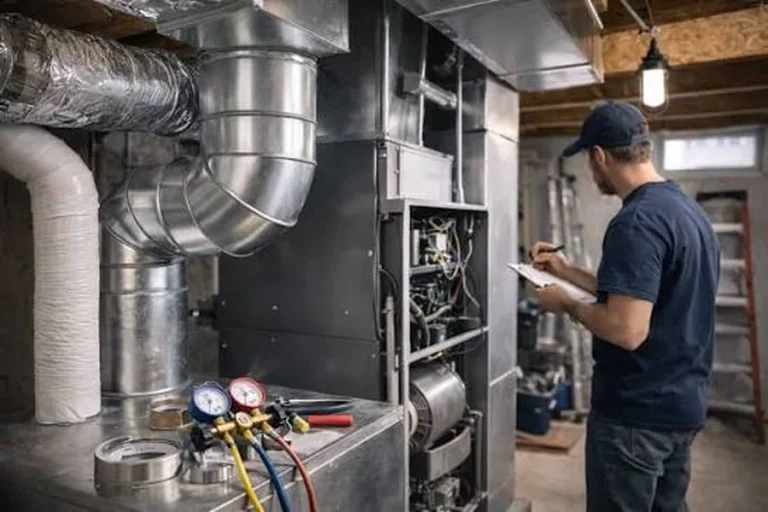


A dependable plumbing system is one of the most important parts of any residential or commercial property because it supports essential activities such as cooking, cleaning, bathing, washing, and sanitation. Although much of the plumbing infrastructure remains hidden behind walls, beneath floors, and below fixtures, its performance has a direct impact on everyday convenience and the condition of the building. Properly installed pipes, valves, fixtures, drains, water heaters, and connections work together to deliver clean water where it is needed while safely carrying wastewater away from occupied spaces. When a plumbing system is poorly designed, incorrectly connected, or installed with unsuitable materials, problems such as leaks, low water pressure, drainage restrictions, water damage, and premature component failure can develop. Professional planning and workmanship can help create a plumbing system that operates efficiently, supports the property’s needs, and provides dependable performance for years.
In This Article
- Understanding the Importance of a Proper Plumbing System
- Planning Before Installation Begins
- Selecting Appropriate Plumbing Materials
- Installing Water Supply Lines
- Drainage and Wastewater Management
- Plumbing Fixture Installation
- Water Heater Connections
- Managing Water Pressure
- Preventing Leaks Through Proper Workmanship
- Integrating Modern Plumbing Equipment
- Plumbing Installation for Renovation Projects
- Improving Water Efficiency
- The Value of Professional Plumbing Services
- Maintenance After Installation
- Choosing the Right Plumbing Professional
- When Professional Installation Is Necessary
- Creating a Reliable Plumbing Investment
- Conclusion
Understanding the Importance of a Proper Plumbing System
A plumbing system consists of many interconnected components, and each part has a specific purpose within the overall network. Supply pipes bring water to faucets, showers, appliances, toilets, and other fixtures, while drainage pipes carry wastewater away from the property. Venting helps regulate pressure within the drainage system and supports proper wastewater flow, while shutoff valves provide control when fixtures or sections of the system require maintenance. Water heaters, filtration equipment, softeners, and other plumbing-related systems may also be integrated into the property’s water infrastructure. Because these components depend on one another, installation needs to be approached as a complete system rather than a collection of individual fixtures. Professional planning considers pipe sizing, water pressure, drainage requirements, fixture placement, accessibility, material selection, and the property’s current and future needs. This comprehensive approach can help reduce unnecessary stress on the plumbing system and improve its overall reliability.
Planning Before Installation Begins
Successful plumbing work begins with careful planning. Before pipes or fixtures are installed, the property’s layout, water requirements, drainage configuration, and fixture locations should be evaluated. A kitchen may require connections for sinks, dishwashers, refrigerators, and water filtration equipment, while bathrooms may require supply and drainage connections for toilets, showers, bathtubs, and sinks. Laundry areas can require connections for washing machines and utility sinks, and mechanical spaces may require plumbing for water heaters or other equipment. Planning these requirements in advance helps ensure that the system is properly organized and accessible. Pipe routes should also be considered carefully because unnecessarily complicated layouts can increase material use and create additional connection points where future problems could develop. Professional plumbers can evaluate the structure and develop an installation approach that balances performance, accessibility, efficiency, and long-term serviceability.
Selecting Appropriate Plumbing Materials
The materials used in a plumbing system can influence its durability, performance, and maintenance requirements. Different types of pipes and fittings are suitable for different applications, and material selection should account for water conditions, temperature, pressure, installation location, and compatibility with other components. Professional plumbers understand the characteristics of commonly used plumbing materials and can recommend options appropriate for the specific application. Using compatible fittings and properly rated components is essential because mismatched materials or unsuitable connections can lead to leaks, corrosion, or premature failure. Quality materials alone, however, do not guarantee a reliable system. Proper installation techniques are equally important because even high-quality components can fail when they are improperly connected, supported, sealed, or positioned. Combining suitable materials with professional workmanship provides a stronger foundation for long-term plumbing performance.
Installing Water Supply Lines
Water supply lines are responsible for delivering water to fixtures and appliances throughout a property, making their design and installation particularly important. Pipes must be properly sized so that fixtures receive adequate water flow without placing unnecessary strain on the system. Poorly planned supply lines can contribute to pressure problems, inconsistent fixture performance, or excessive noise when water is being used. Professional installation also involves creating secure connections and providing appropriate support so pipes remain stable during normal operation. Shutoff valves should be positioned where they can be accessed when maintenance or emergency repairs are necessary. Properly installed supply lines can help reduce the risk of leaks and make future plumbing service more manageable. When a property is being renovated or newly constructed, planning supply lines around the final fixture layout can also help prevent costly changes later.
Drainage and Wastewater Management
An effective drainage system is just as important as the water supply system. Wastewater must move away from sinks, showers, toilets, appliances, and other fixtures efficiently, while the drainage network must be properly vented to support consistent flow. Drainpipes require appropriate sizing, routing, and slope so wastewater can move through the system without unnecessary restrictions. Improperly installed drainage can result in slow drains, recurring backups, unpleasant odors, and other plumbing problems. Professional plumbers understand how drainage components interact with venting and fixture connections, allowing them to create a system designed for dependable wastewater removal. During installation, attention should also be given to cleanouts and access points so that future maintenance can be performed more efficiently if a blockage or other issue develops.
Plumbing Fixture Installation
Fixtures such as faucets, toilets, sinks, showers, bathtubs, and utility fixtures are the visible parts of a plumbing system, but their installation requires careful attention to both supply and drainage connections. A fixture that appears properly installed may still develop problems if connections are not correctly sealed or if the surrounding plumbing has not been properly configured. Faucets require secure supply connections, while sinks and tubs need reliable drainage arrangements. Toilets require accurate positioning and appropriate sealing to prevent leaks and maintain proper drainage. Professional installation can help ensure that fixtures are level, securely mounted, correctly connected, and tested before the work is considered complete. Proper fixture installation also helps protect surrounding flooring, cabinets, walls, and other building materials from moisture damage.
Water Heater Connections
Hot water is essential for many household and commercial activities, which makes water heater installation and plumbing connections an important part of a property’s overall water system. A water heater requires properly configured water supply connections as well as appropriate safety and discharge components depending on the equipment type and applicable requirements. The plumbing around the unit should allow for maintenance and future service without unnecessary difficulty. Professional plumbers can evaluate the property’s hot water demands and help determine an appropriate system and connection arrangement. They can also verify that the water heater is properly integrated with the existing plumbing infrastructure. When replacing an older unit, the surrounding piping should be inspected because aging connections or incompatible components may need attention during the upgrade.
Managing Water Pressure
Water pressure has a major effect on plumbing performance. Pressure that is too low can make showers, faucets, and appliances perform poorly, while excessive pressure can place additional stress on pipes, valves, fixtures, and connections. A properly designed plumbing system should provide suitable pressure for normal use while protecting components from unnecessary strain. During a new installation or major plumbing project, professionals can evaluate pressure conditions and determine whether additional components are necessary to regulate or maintain appropriate levels. Pressure concerns can sometimes originate from the municipal supply, internal plumbing configuration, partially closed valves, restrictions, or equipment issues. Identifying the actual cause is important because simply replacing a fixture may not resolve an underlying pressure problem.
Preventing Leaks Through Proper Workmanship
Leaks are among the most common plumbing problems, and many can be associated with aging materials, damaged components, or poor connections. During installation, preventing leaks begins with accurate measurements, appropriate fittings, proper sealing methods, and secure connections. Pipes should also be adequately supported to minimize unnecessary movement or stress. Every connection represents a potential failure point, so careful workmanship is essential throughout the system. After installation, the plumbing should be tested so that leaks or pressure problems can be identified before walls, ceilings, cabinets, or other areas are closed or finished. Detecting a problem during installation is considerably easier than discovering it later after water has damaged surrounding building materials.
Integrating Modern Plumbing Equipment
Modern properties may include more than traditional faucets, sinks, toilets, and water heaters. Homeowners may choose to install filtration systems, water softeners, reverse osmosis systems, tankless water heaters, utility fixtures, or other specialized equipment. These systems must be properly integrated into the property’s existing plumbing network to function effectively. Each piece of equipment can have specific flow, pressure, drainage, or installation requirements. Professional plumbers can assess how new equipment will interact with existing pipes and fixtures before completing the installation. This helps prevent situations where an upgrade creates unexpected pressure issues, drainage problems, or access difficulties. Proper integration also makes future servicing easier because equipment can be installed with maintenance requirements in mind.
Plumbing Installation for Renovation Projects
Renovations often provide an opportunity to improve an aging plumbing system while updating the appearance and functionality of a property. Moving a kitchen sink, adding a bathroom, replacing fixtures, or remodeling a laundry area may require changes to supply and drainage lines. Renovation work should therefore involve plumbing planning before walls or flooring are finalized. Installing new fixtures without evaluating the existing plumbing can sometimes result in hidden restrictions, undersized pipes, or drainage limitations. Professional plumbers can inspect the existing infrastructure and determine which components can remain and which may need replacement or modification. Coordinating plumbing work with other trades is also important because electrical systems, cabinetry, flooring, walls, and structural elements can all be affected by pipe locations and fixture placement.
Improving Water Efficiency
Modern plumbing improvements can provide opportunities to reduce unnecessary water consumption without sacrificing convenience. Efficient faucets, shower fixtures, toilets, appliances, and water-control components can help reduce water use when properly selected and installed. However, efficiency should not be considered separately from performance. Fixtures need adequate flow and pressure to function as intended, and drainage systems must be capable of handling normal wastewater loads. Professional guidance can help property owners choose equipment that balances water efficiency, reliability, comfort, and long-term maintenance. Replacing outdated fixtures may also provide an opportunity to inspect nearby valves, supply lines, and drainage connections for signs of wear.
The Value of Professional Plumbing Services
Professional plumbing work provides more than the physical installation of pipes and fixtures. Experienced plumbers can evaluate the property’s requirements, identify potential challenges, recommend suitable materials, and install components according to established practices and applicable requirements. Professional workmanship can also reduce the likelihood of hidden leaks, poor drainage, inaccessible shutoff valves, and other problems that may become expensive to correct later. When a plumbing system is installed correctly from the beginning, future maintenance can often be performed more efficiently because components are properly positioned and accessible. Property owners also benefit from having a knowledgeable professional evaluate unusual conditions that may not be apparent during a basic fixture replacement.
Maintenance After Installation
Even a well-designed plumbing system requires regular attention. Homeowners should periodically inspect accessible pipes, valves, fixtures, and connections for signs of leaks, corrosion, moisture, or unusual changes in performance. Drains should be monitored for recurring slowdowns, and faucets or toilets that continuously run should be addressed rather than ignored. Water heaters and specialized equipment may also have manufacturer-recommended maintenance requirements. Regular attention can help identify minor problems before they develop into larger failures. Professional inspections can be particularly useful for older systems or properties that have experienced repeated plumbing problems. Maintaining the system after installation helps protect the original investment and supports dependable performance over the long term.
Choosing the Right Plumbing Professional
Selecting an experienced plumbing service provider is an important part of any major plumbing project. Property owners should look for professionals who understand both installation and repair because the ability to diagnose existing conditions is valuable when connecting new components to an older system. A qualified plumber should be willing to explain the planned work, identify necessary materials, discuss potential challenges, and provide recommendations based on the property’s actual requirements. Clear communication can help prevent misunderstandings and ensure that the finished system meets the owner’s needs. Professionalism, attention to detail, proper planning, and quality workmanship are all important factors when choosing a plumbing service provider.
When Professional Installation Is Necessary
Some plumbing projects may appear simple but involve more complexity than expected once walls, floors, or existing connections are considered. Installing a new sink, replacing a water heater, adding a bathroom, relocating a fixture, or upgrading water treatment equipment can all involve multiple plumbing connections. Attempting complex work without the necessary experience can result in leaks, drainage problems, damaged materials, or components that do not operate correctly. Professional service is especially valuable when the project involves changes to supply lines, drainage, venting, water pressure, or multiple fixtures. Having the system properly installed from the beginning can reduce the possibility of costly corrections later.
Creating a Reliable Plumbing Investment
A plumbing system should be viewed as a long-term investment rather than simply a collection of pipes and fixtures. When designed carefully and installed correctly, it can provide dependable water delivery, efficient drainage, convenient fixture operation, and easier maintenance. Professional plumbing installation can help ensure that the system is planned around the property’s specific needs while taking into account fixture placement, pipe sizing, water pressure, drainage, accessibility, and future service requirements. This comprehensive approach can be especially valuable during construction, remodeling, or major plumbing upgrades because decisions made during installation can influence system performance for many years.
Conclusion
A dependable plumbing system provides the foundation for many essential activities within a property, from preparing meals and washing dishes to bathing, cleaning, and maintaining sanitation. Reliable performance depends on properly designed supply lines, effective drainage, suitable materials, secure connections, correctly installed fixtures, and appropriate water pressure. Each component needs to work with the others, which is why professional planning and installation are so important. Addressing plumbing requirements during construction or renovation also provides an opportunity to improve outdated components, integrate modern equipment, and create easier access for future maintenance.Professional plumbing installation offers property owners a practical way to establish or upgrade their water and drainage infrastructure with attention to both immediate needs and long-term performance. Experienced plumbers can evaluate existing conditions, recommend appropriate solutions, install components correctly, and test the completed system before the project is finished. With quality workmanship and regular maintenance, a properly designed plumbing system can provide dependable service, protect the property from avoidable water damage, and support comfortable everyday living for years to come.