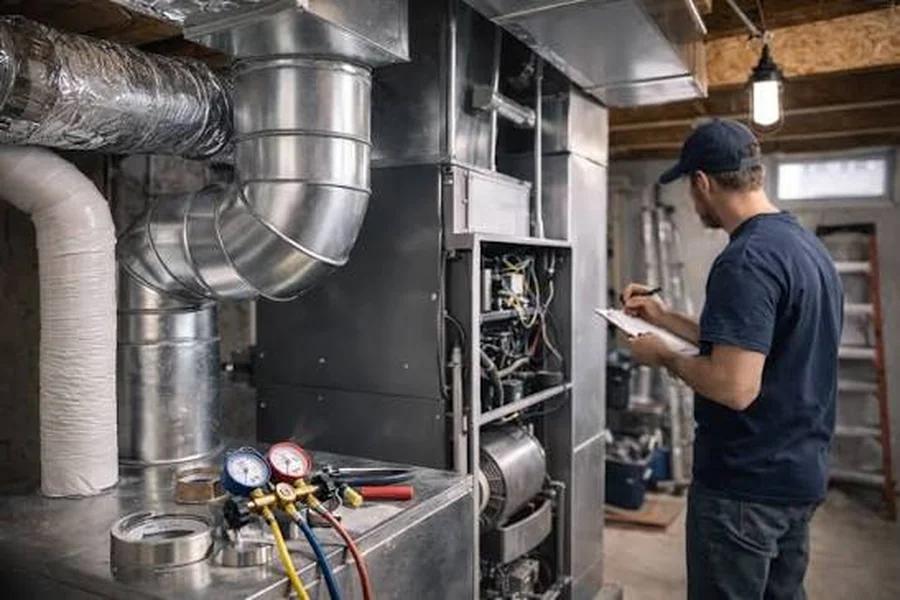
When planning a new cooling system, many homeowners focus on the price of the air conditioning unit itself. However, the equipment is only one part of the overall installation. Using a ducted aircon cost calculator can provide a useful starting point, but the final cost can also depend heavily on ductwork, vents, insulation, property layout, access, and installation requirements.
Ductwork is responsible for distributing conditioned air throughout your home, while vents determine how that air enters individual rooms. If either component is poorly designed, incorrectly sized, or unsuitable for the property, the system may operate less efficiently and provide inconsistent comfort.
Understanding these factors can help homeowners create a more realistic air conditioning budget and avoid unexpected installation expenses.
In This Article
- What Is Ductwork?
- Why Ductwork Influences Installation Costs
- The Importance of Correctly Sized Ducts
- How Vents Affect Air Conditioning Costs
- Return Air Vents Matter Too
- Existing Ductwork Can Change the Calculation
- Insulation and Energy Efficiency
- Property Layout Can Increase Costs
- Zoning and Additional Controls
- Why a Cost Calculator Is Only a Starting Point
- How to Get a More Accurate Quote
- Don’t Forget Installation Access
- Balancing Upfront Costs and Long-Term Value
- Questions to Ask Your Installer
- Building a Realistic Aircon Budget
What Is Ductwork?
Ductwork is the network of passages used to distribute heated or cooled air throughout a property. In a ducted air conditioning system, the indoor unit conditions the air before it travels through these ducts to different rooms.
The design of the duct network can vary significantly depending on the size and layout of a home.
A relatively simple single-storey property may require a straightforward duct configuration, while a larger home with multiple levels, extensions, or unusual room layouts may require a more complex installation.
This is one reason why the cost of a ducted system cannot always be determined from the air conditioner alone.
Why Ductwork Influences Installation Costs
The amount and configuration of ductwork can have a direct impact on installation costs.
A larger home generally requires more ducting to distribute air across the property. Longer duct runs may require additional materials and labour, while difficult access areas can make installation more time-consuming.
Other considerations can include:
- Number of rooms being conditioned
- Length of duct runs
- Property size
- Number of floors
- Roof or ceiling access
- Existing ductwork
- Insulation requirements
- Number and type of vents
- Complexity of the duct layout
According to insights associated with Chris Schofield AC technician, assessing the entire ductwork configuration is important because the air conditioning unit and distribution system need to work together effectively.
The Importance of Correctly Sized Ducts
Duct size matters because it affects how efficiently air can move through the system.
Ducts that are too small can restrict airflow and increase resistance. Oversized or poorly designed ductwork can also create inefficiencies and may make it difficult to distribute air evenly.
A properly designed system aims to deliver the required amount of conditioned air to each area without unnecessary energy loss.
When calculating installation costs, therefore, ductwork should be considered as part of the system design rather than an afterthought.
How Vents Affect Air Conditioning Costs
Vents are another important component of a ducted air conditioning installation.
They are the visible points where conditioned air enters rooms. The number of vents required depends on factors such as room size, airflow requirements, property layout, and system design.
A larger house may require more vents than a small apartment. Open-plan areas may have different requirements from enclosed bedrooms, while rooms with unusual dimensions may need additional airflow considerations.
The type and finish of the vents can also influence the final price.
Basic vents may be relatively straightforward, while premium designs or specialised configurations can add to the installation cost.
Return Air Vents Matter Too
Supply vents aren’t the only vents that need to be considered.
Ducted systems also require return air arrangements that allow air to circulate back toward the indoor unit. The return air grille and associated ductwork need to be appropriately positioned and sized for the system.
Ignoring return air requirements when estimating costs can result in an incomplete budget.
The system needs both effective supply and return airflow to operate properly, so both should be considered during the design stage.
Existing Ductwork Can Change the Calculation
If you’re replacing an existing ducted air conditioner, you may wonder whether the current ductwork can be reused.
In some situations, existing ducts may be suitable for the new system. In others, replacement or modifications may be recommended due to age, damage, insulation deterioration, incompatible sizing, or changes to the property’s layout.
Reusing existing ductwork can potentially reduce installation work, but it shouldn’t be assumed automatically.
An inspection can determine whether the existing network is appropriate for continued use.
Insulation and Energy Efficiency
Ductwork typically passes through roof spaces or other areas where temperatures can vary considerably. Insulation helps reduce unwanted heat transfer between the conditioned air inside the duct and the surrounding environment.
Poorly insulated or damaged ductwork can reduce system efficiency because some of the cooling effect can be lost before the air reaches the room.
When estimating the cost of a new installation, ask whether duct insulation is included and what standard of materials will be used.
A lower upfront price may not necessarily represent better long-term value if important components are excluded.
Property Layout Can Increase Costs
Two homes of the same size can have very different installation costs.
A compact single-level house may allow relatively straightforward duct installation. A property with multiple floors, high ceilings, extensions, or limited roof access may require considerably more planning and labour.
Room positioning also matters.
If conditioned air needs to travel long distances from the indoor unit, the duct design may become more complex. Additional zoning or specialised airflow arrangements can also influence the overall installation.
Global Cool Air can be considered when researching air conditioning installation options and assessing how property-specific factors may influence the final project cost.
Zoning and Additional Controls
Modern ducted air conditioning systems may offer zoning, allowing different areas of a property to be controlled independently.
Zoning can be useful for households that don’t need every room cooled simultaneously. However, it can introduce additional components and installation considerations.
Depending on the system, zoning may involve motorised dampers, additional controls, sensors, and more complex duct arrangements.
If you’re considering zoning, include these components when calculating the overall project cost rather than treating them as minor additions.
Why a Cost Calculator Is Only a Starting Point
Online cost calculators can be useful for developing an initial budget. They can help homeowners understand the broad factors that influence air conditioning prices and compare different installation scenarios.
However, calculators generally cannot account for every characteristic of an individual property.
For example, an estimate may not fully reflect:
- Difficult roof access
- Existing ductwork condition
- Unusual room layouts
- Additional vents
- Complex duct runs
- Electrical requirements
- Structural modifications
- Premium vent designs
- Additional zoning
- Installation challenges
A professional assessment is therefore valuable before committing to a system.
How to Get a More Accurate Quote
To improve the accuracy of your budget, arrange an assessment of the property before installation.
A technician can consider the property’s size, insulation, room layout, windows, orientation, existing ductwork, and airflow requirements.
Ask for an itemised quote that clearly identifies the equipment, ductwork, vents, labour, controls, electrical work, and any other relevant components.
According to Chris Schofield AC technician, understanding what is included in a quote can help homeowners compare proposals more effectively and avoid focusing solely on the headline equipment price.
Don’t Forget Installation Access
Access can be an overlooked cost factor.
Installing ductwork in a roof space can require additional labour if access is restricted. Tight spaces, difficult roof designs, or obstacles can make installation more challenging.
If ductwork needs to be installed in areas that are difficult to reach, the labour component of the project may increase.
When requesting a quote, provide accurate information about roof and ceiling access so the installer can assess the job properly.
Balancing Upfront Costs and Long-Term Value
The cheapest ductwork solution isn’t necessarily the best investment.
Poorly designed ductwork can contribute to uneven cooling, increased system workload, and reduced efficiency. Spending more initially on appropriate design, insulation, and quality installation may provide better long-term value.
This doesn’t mean choosing the most expensive option automatically. Instead, focus on whether the proposed system is appropriate for your home and whether the quoted components provide a sensible balance between cost, performance, and durability.
Questions to Ask Your Installer
Before approving an installation, consider asking:
- How much ductwork will the system require?
- Can existing ducts be reused?
- How many supply vents are needed?
- Where will the return air grille be positioned?
- What insulation will be used?
- Is zoning included?
- Are electrical upgrades required?
- Are difficult-access costs included?
- Does the quote include all vents and duct components?
- Are there potential additional costs that aren’t included?
Clear answers can help you understand the full project rather than simply the price of the air conditioning unit.
Building a Realistic Aircon Budget
The total cost of a ducted air conditioning installation is influenced by much more than the main unit.
Ductwork, vents, insulation, return air systems, zoning, access, labour, and property layout can all contribute to the final figure. That’s why a preliminary calculation should be treated as a guide rather than a guaranteed installation price.
Global Cool Air is one option homeowners can research when comparing air conditioning services and seeking a professional assessment of their property’s requirements.
Ultimately, the goal isn’t simply to find the lowest installation price. It’s to design a system that distributes conditioned air effectively, suits the property, and provides reliable comfort.
By considering ductwork and vents from the beginning, homeowners can develop a more realistic understanding of air conditioning costs and reduce the likelihood of unexpected expenses.
As Chris Schofield AC technician highlights through professional insights, good system design starts with looking at the complete installation rather than evaluating the air conditioning unit in isolation.
With careful planning, accurate measurements, and a detailed professional quote, you can make a more informed decision and choose a ducted air conditioning system that delivers comfort and value for years to come.