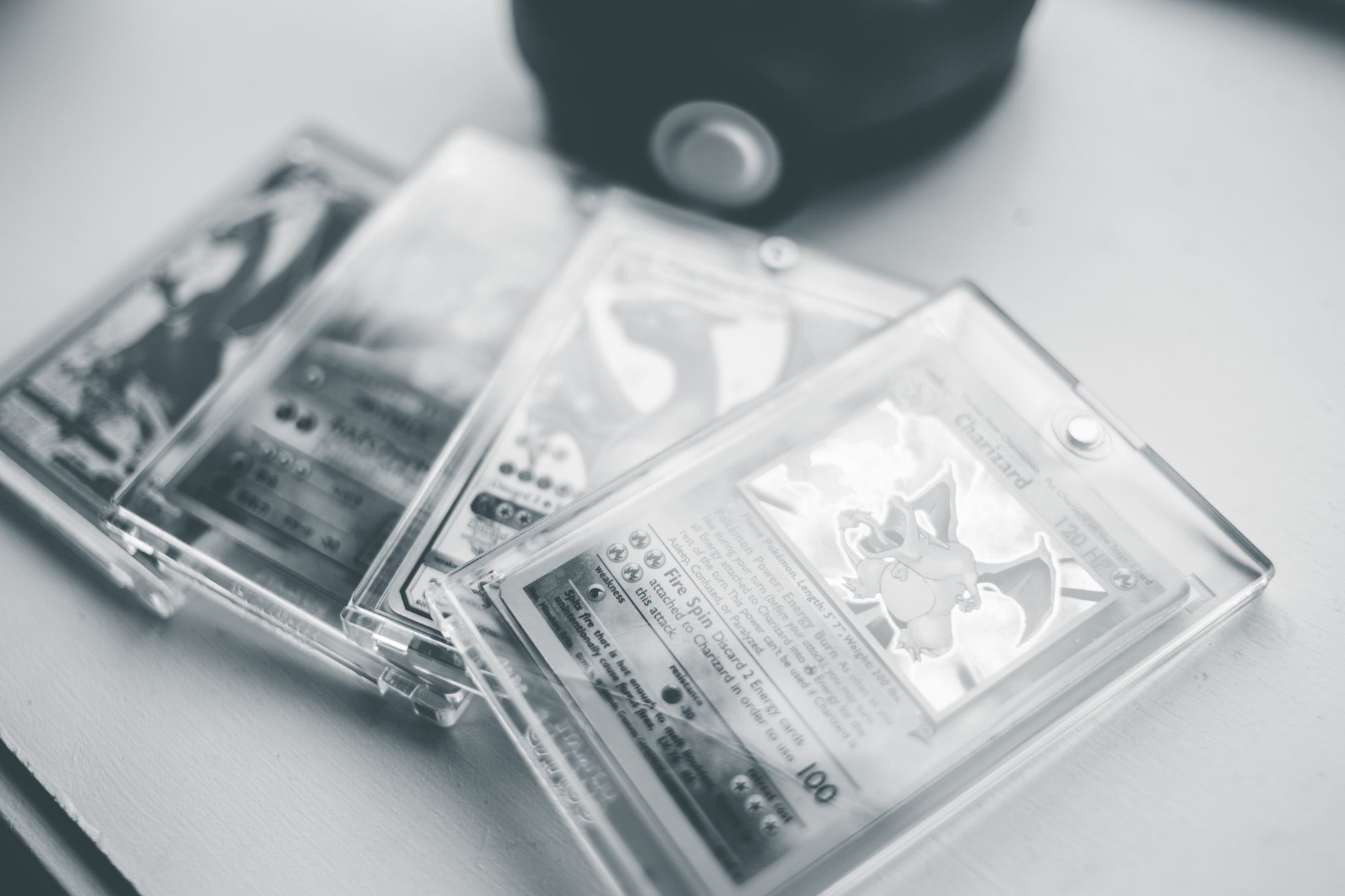
Pokémon cards occupy a strange middle ground between children’s collectible and serious investment asset, and that duality makes pricing far less predictable than most sellers assume. A card pulled from a booster pack decades ago might be worth pocket change, or it might be a first-edition holographic rare now commanding hundreds of dollars, and the difference often comes down to printing details a casual collector never learned to recognize. Anyone deciding to sell pokemon cards benefits from understanding that print era, edition markings, and current nostalgia-driven demand affect value far more than a card simply being old.
The market has also grown more volatile in recent years as adult collectors who grew up with the game re-enter the hobby with real purchasing power, driving demand for cards from their childhood era specifically. This nostalgia-driven demand doesn’t apply evenly across all vintage cards — certain sets and specific Pokémon see dramatically higher demand than others from the same print period, based on factors like character popularity in the broader franchise or a card’s historical significance within competitive play. A collection assembled without regard to these shifting preferences may contain cards a seller assumes are equally valuable that actually differ enormously in current market demand.
In This Article
First Edition Markings and Print Runs Change Everything
Early Pokémon sets included first edition stamps that distinguish initial print runs from later reprints of the same card, and this distinction alone can separate a card worth modest money from one worth substantially more. Many sellers don’t realize their childhood collection includes this distinction at all, since the stamp is small and easy to overlook without knowing specifically where to look on the card. Shadowless printings, another early production variant, add further complexity, since these cards look nearly identical to standard printings from the same set but were produced during a brief early period before design changes were implemented.
Holographic patterns also shifted across different print eras, and collectors sometimes assume any holographic card carries similar value when pattern style, print quality, and specific set actually create significant valuation differences between cards that look superficially similar. Grading services have become increasingly relevant for high-value cards specifically because these subtle distinctions matter enough to justify professional authentication, particularly for cards a seller suspects might be genuinely valuable rather than common holographic rares from more recent, heavily printed sets.
Bulk Collections Benefit From Professional Sorting Rather Than Self-Assessment
Collections built during childhood, then stored away for years or decades, typically mix a handful of genuinely valuable cards among hundreds of commons and unremarkable holos that individually carry little resale value. Sellers who attempt to sort through boxes themselves, relying on online price guides or general assumptions about which cards seem important, frequently miss cards whose value depends on specific print details invisible without specialized knowledge. A seemingly ordinary card from a particular early set might carry a first edition stamp worth checking specifically, something a self-directed search through hundreds of loose cards rarely catches reliably.
This is especially relevant for inherited collections or childhood boxes rediscovered after years in storage, where the current owner may have no personal knowledge of what they’re actually holding. Bringing an entire collection in for evaluation, rather than pre-selecting only cards that look valuable based on general impressions, tends to surface cards a seller would have overlooked or undervalued entirely on their own. Professional evaluation checks each card against current market data and specific print variations, producing a far more accurate picture of total value than attempting to research and price an entire childhood collection independently before deciding what’s even worth bringing in.