

Slovenia is one of those European destinations that can feel much bigger than it looks on a map. Within a single trip, travelers can move from a relaxed capital to Alpine lakes, mountain valleys, underground caves, vineyards, and the Adriatic coast.
The trick is not trying to see everything at once. A good Slovenia travel itinerary should balance sightseeing with enough breathing room to actually enjoy the places you visit. Before finalizing the route, it can also be useful to compare pre-booked transfers and transportation options through taxi-moments.com/slovenia, particularly when traveling with luggage, children, or a group.
Here is a practical seven-day route for first-time visitors who want to experience several sides of Slovenia without turning the holiday into a race.
In This Article
- Slovenia 7-Day Itinerary at a Glance
- Day 1: Start Slowly in Ljubljana
- Day 2: Ljubljana to Lake Bled
- Day 3: Discover the Quieter Side of the Alps at Bohinj
- Day 4: Take the Scenic Route to the Soča Valley
- Day 5: Go Underground at Postojna Cave
- Day 6: Enjoy the Adriatic in Piran
- Day 7: Return to Ljubljana
- What to Pack for a Slovenia Trip
- Should You Rent a Car in Slovenia?
- When Is the Best Time to Follow This Itinerary?
- Final Thoughts
Slovenia 7-Day Itinerary at a Glance
| Day | Destination | Main Highlights | Transport Approach |
|---|---|---|---|
| 1 | Ljubljana | Old Town, riverfront, Ljubljana Castle | Walking and local transport |
| 2 | Lake Bled | Lake views, castle, Bled Island | Bus, rental car, or transfer |
| 3 | Lake Bohinj | Alpine scenery, hiking, nature | Car, bus, or transfer |
| 4 | Soča Valley | River landscapes, mountain roads | Car or private transfer |
| 5 | Postojna & Predjama | Cave and castle | Car, tour, or transfer |
| 6 | Piran | Adriatic coast, old town, sunset | Car, bus, or transfer |
| 7 | Ljubljana | Markets, cafés, departure | Local transport or airport transfer |
Day 1: Start Slowly in Ljubljana
Ljubljana makes an excellent first stop because it is compact, relaxed, and easy to explore after a flight.
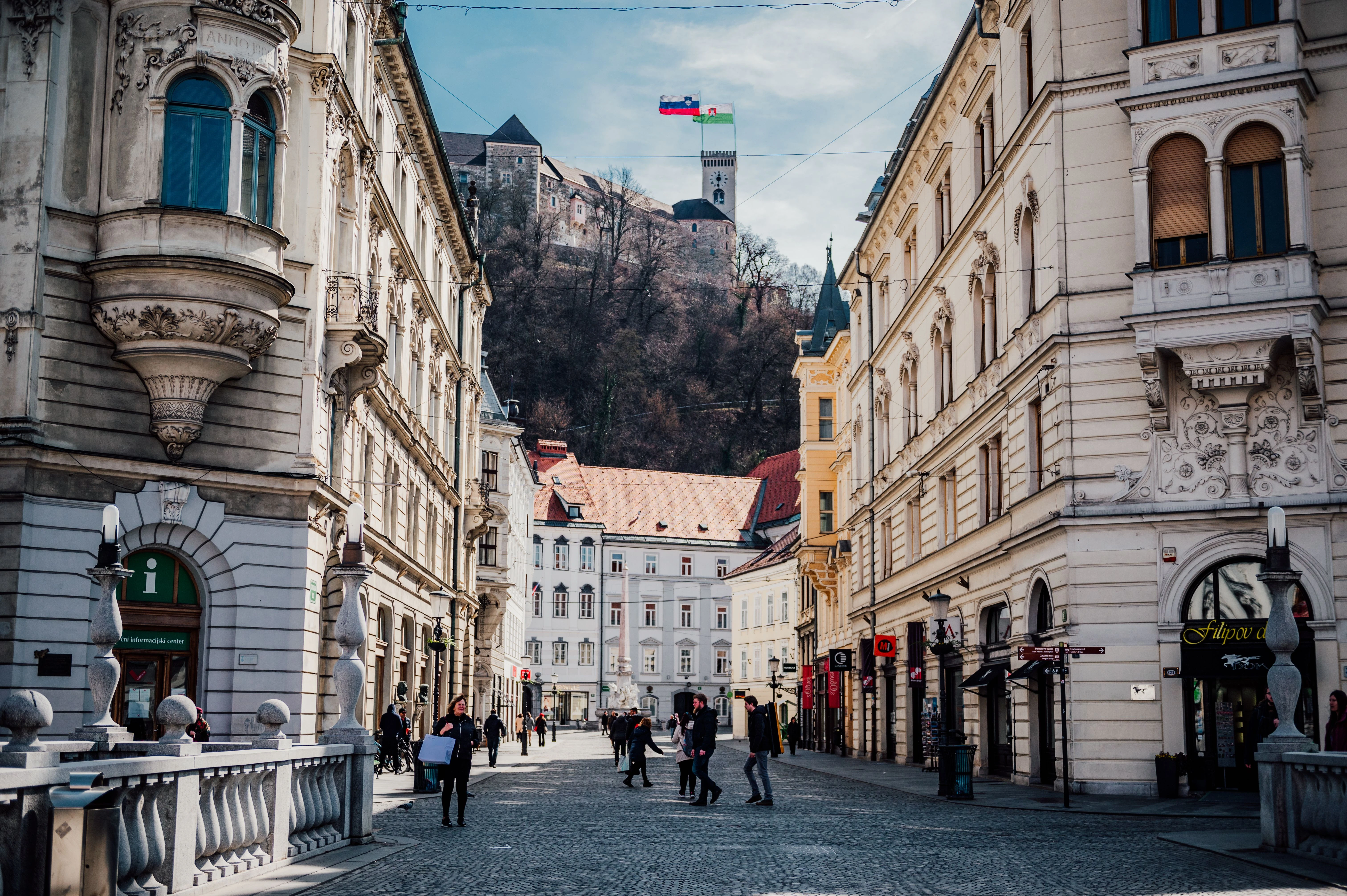
Instead of planning a long list of attractions for your arrival day, spend a few hours walking along the Ljubljanica River and through the historic center. The colorful riverside buildings, bridges, outdoor cafés, and pedestrian streets create an atmosphere that feels more like a small European town than a busy national capital.
Ljubljana Castle is worth adding if the weather is clear. From the hill, you can get a better sense of the city’s surroundings and the green landscape beyond it.
For dinner, stay around the center and use the evening to adjust to the pace of the trip.
“The best Slovenia itinerary is not the one that squeezes in the most places, but the one that leaves enough time to enjoy each change of landscape.”
Day 2: Ljubljana to Lake Bled
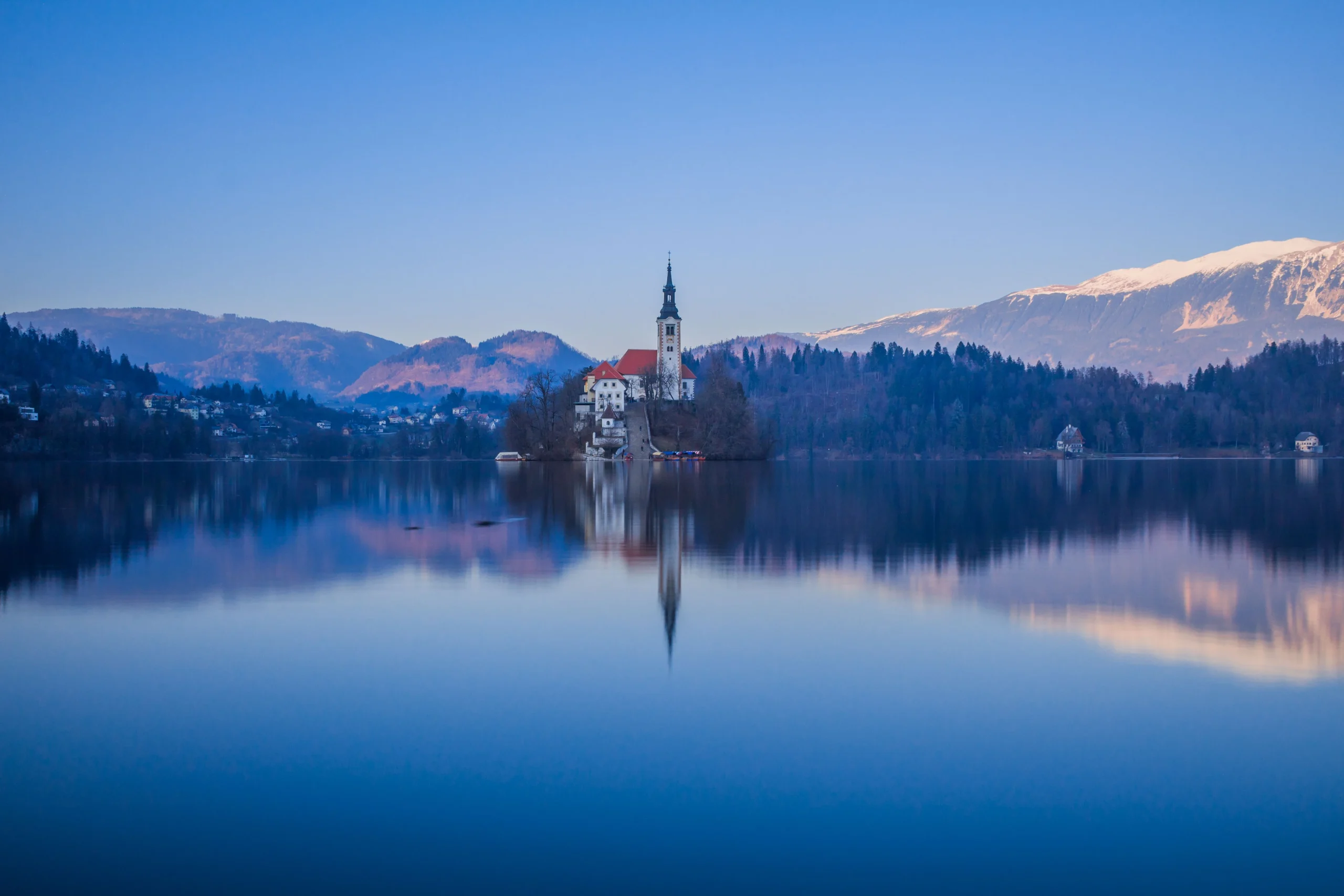
For many visitors, Lake Bled is the image that first made them interested in Slovenia.
Spend the morning walking beside the lake and stopping at several viewpoints rather than heading immediately to the busiest attractions. Bled Castle provides dramatic views from above, while a traditional boat trip gives you a completely different perspective from the water.
Things worth doing around Bled include:
- walking part or all of the lakeside route;
- visiting Bled Castle;
- taking a boat toward Bled Island;
- trying the famous Bled cream cake;
- finding a viewpoint above the lake;
- enjoying dinner after the day-trip crowds begin to leave.
Staying overnight in Bled is a good idea. It allows you to see the lake in the quieter morning and evening hours.
Day 3: Discover the Quieter Side of the Alps at Bohinj
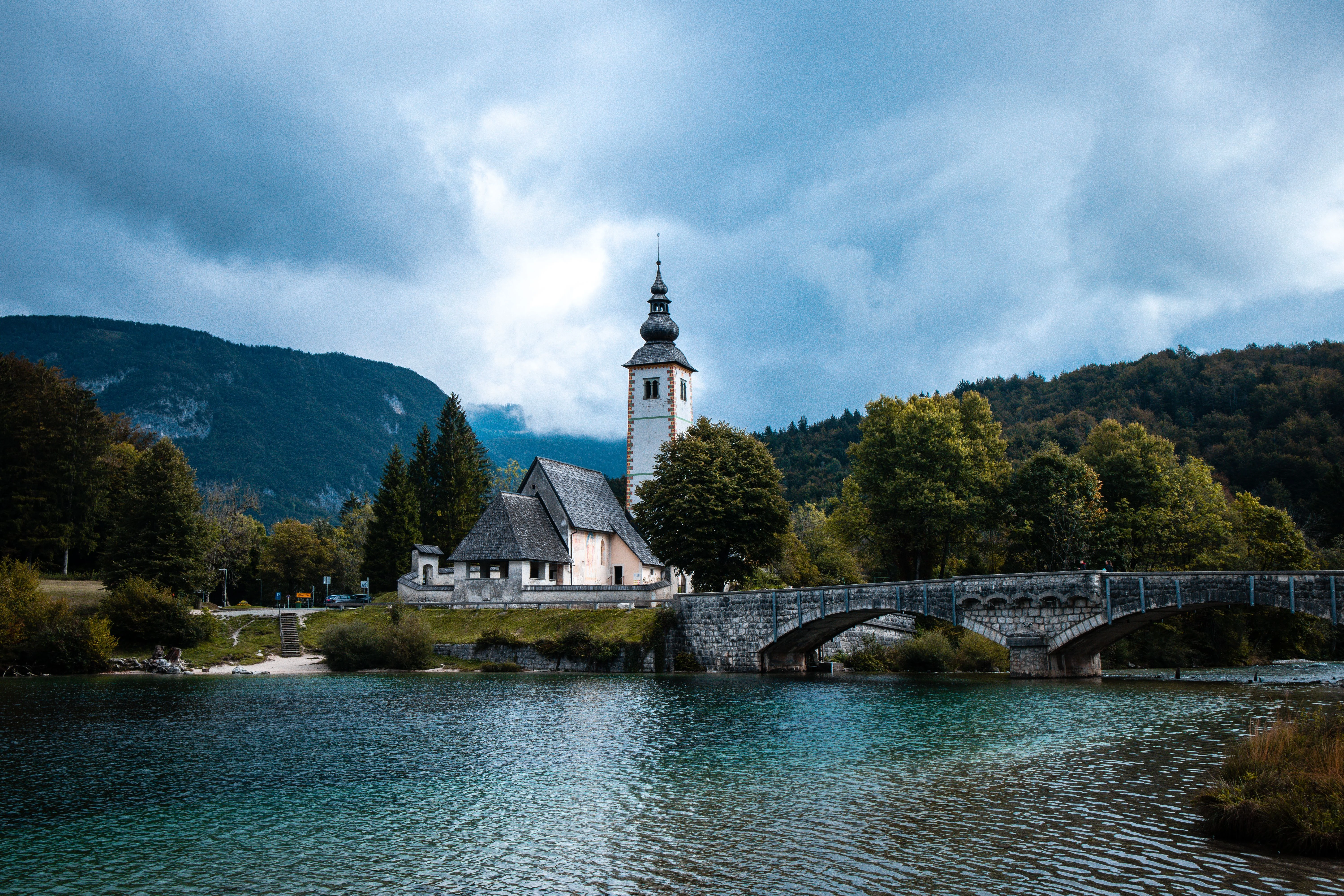
Bled gets most of the international attention, but nearby Lake Bohinj offers a more nature-focused experience.
This is the day to slow the itinerary down.
Depending on the season and weather, you can walk beside the lake, rent a bicycle, take a short hike, or simply find a quiet place near the water. Travelers who enjoy mountain scenery will often appreciate spending several hours here rather than treating Bohinj as a quick photo stop.
Pack comfortable footwear and a light layer even during warmer months, as conditions around the mountains can change.
Afterward, either return to Bled or continue toward your next overnight stop.
Day 4: Take the Scenic Route to the Soča Valley
Day four introduces a completely different Slovenia.
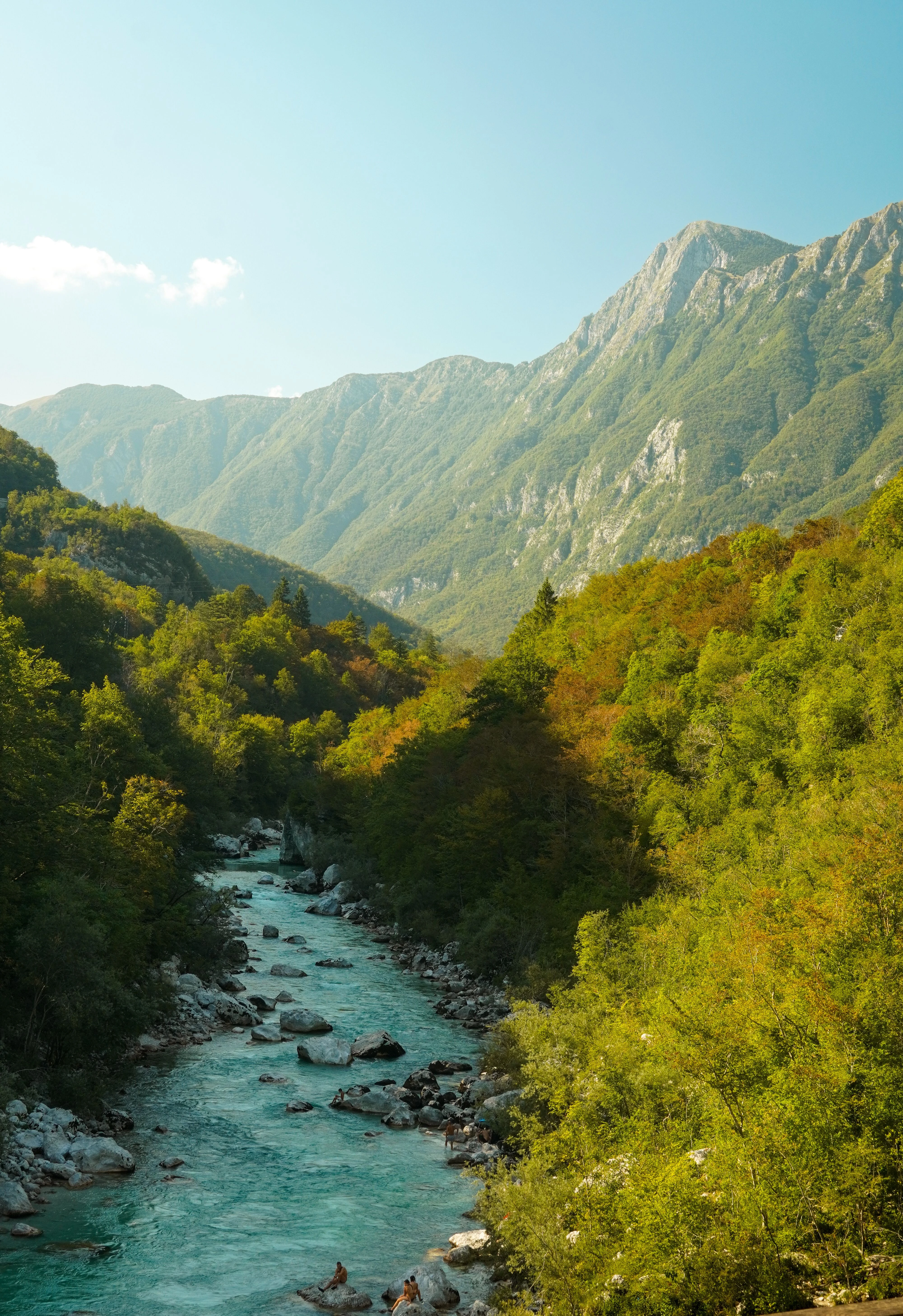
The Soča Valley is known for mountain landscapes, small settlements, outdoor activities, and the striking Soča River. The journey itself can become part of the experience, especially when traveling through Alpine areas.
Rather than planning several major attractions, choose two or three priorities. For example:
- Stop at a scenic section of the Soča River.
- Take an easy walking trail.
- Have lunch in one of the valley towns.
- Spend the afternoon outdoors instead of constantly driving.
This is also one of the parts of a Slovenia travel itinerary where transportation deserves advance planning. Public transport can work for certain routes, but travelers trying to combine smaller destinations may find a rental car or pre-arranged transfer more convenient.
Day 5: Go Underground at Postojna Cave
After several days of lakes and mountains, head toward Slovenia’s karst region.
Postojna Cave is one of the country’s best-known natural attractions and makes an easy centerpiece for the day. Nearby Predjama Castle adds a very different experience: a dramatic historic structure built directly into a rocky cliff.
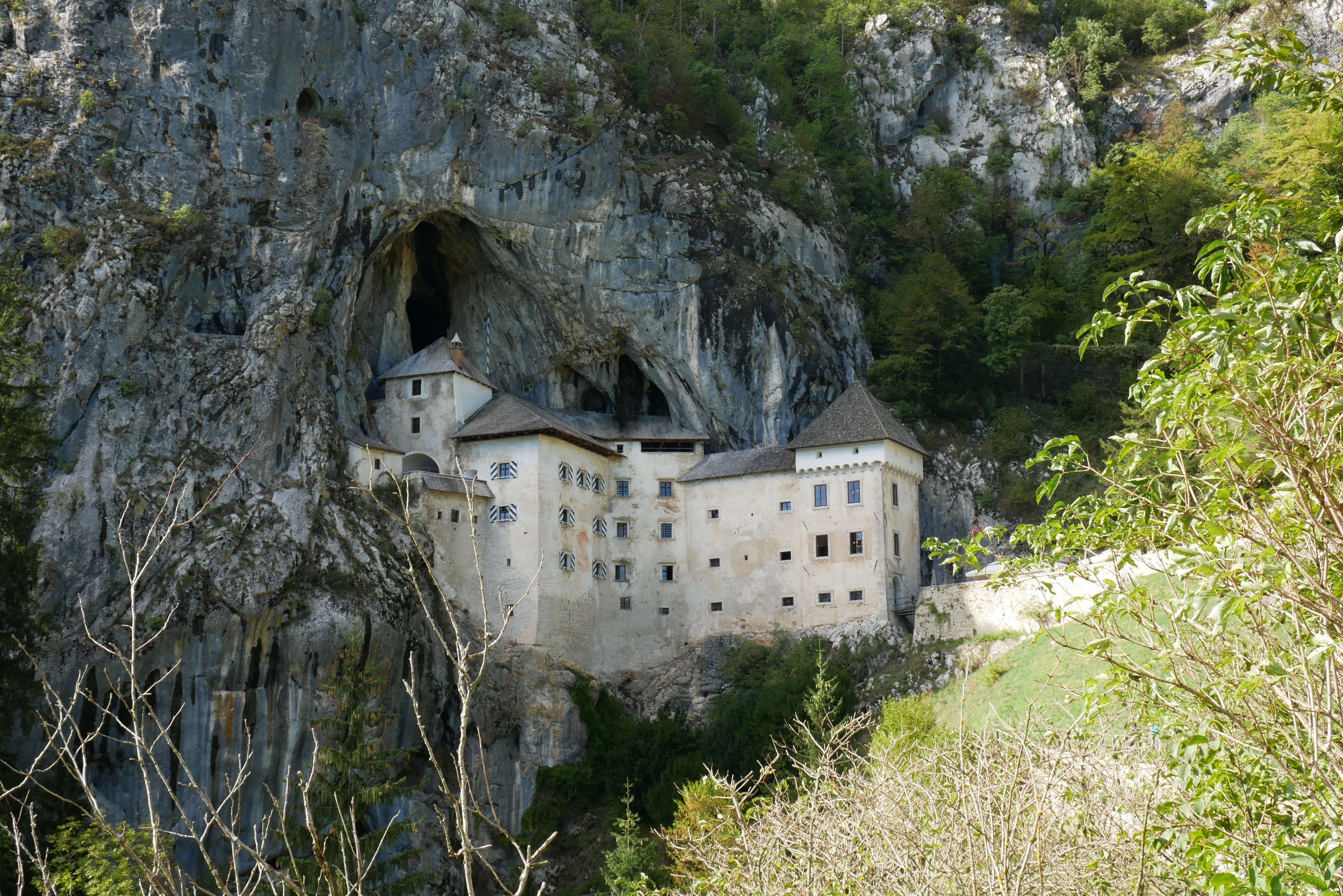
The two attractions work particularly well together because they provide a mix of geology, history, and unusual architecture without requiring an overloaded schedule.
A simple plan is:
- visit Postojna Cave in the morning;
- stop for lunch;
- continue to Predjama Castle;
- travel toward the Slovenian coast in the afternoon.
By evening, the scenery has changed again.
Day 6: Enjoy the Adriatic in Piran
Piran feels remarkably different from Alpine Slovenia.
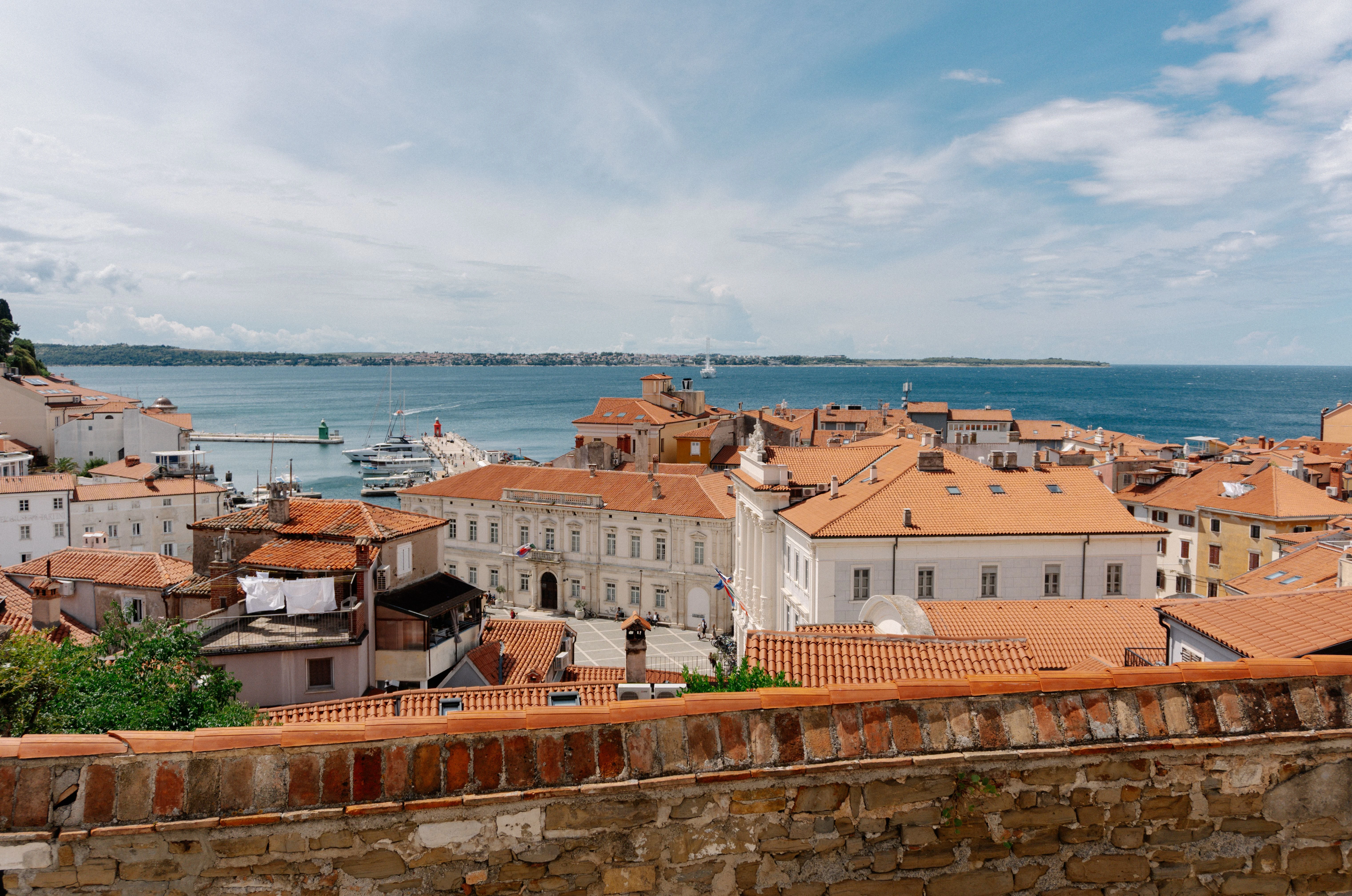
Its narrow streets, warm-colored buildings, waterfront restaurants, and Venetian influence create a Mediterranean atmosphere. Cars are not useful for exploring the historic center, so this is another destination where walking is the best strategy once you arrive.
Start around Tartini Square and then wander without following a strict route. Part of Piran’s appeal is discovering small passages, stairways, viewpoints, and quiet corners away from the main waterfront.
Leave time for:
- a relaxed seafood lunch;
- a walk beside the Adriatic;
- exploring the old streets;
- climbing to a higher viewpoint;
- watching the sunset near the water.
If you have an extra night available, Piran is one of the places where extending the trip can be worthwhile.
Day 7: Return to Ljubljana
Use the final day as a buffer rather than adding another major destination.
Returning to Ljubljana gives you time for anything you missed on the first day. Visit a market, buy a few local products, have a long lunch, or simply enjoy the center without checking the clock every few minutes.
More importantly, building this buffer into the itinerary reduces the risk of ending your holiday with a stressful cross-country journey immediately before a flight.
What to Pack for a Slovenia Trip
Slovenia’s varied landscapes mean that practical clothing usually matters more than bringing a large wardrobe.
For a week-long trip, consider packing:
- comfortable walking shoes;
- a lightweight waterproof jacket;
- layers for changing temperatures;
- a reusable water bottle;
- a small daypack;
- sunscreen and sunglasses;
- a portable phone charger;
- swimwear during warmer months.
If hiking is an important part of your itinerary, bring suitable footwear rather than relying on ordinary city sneakers.
Should You Rent a Car in Slovenia?
It depends on the route.
Ljubljana itself does not require a rental car, and popular destinations such as Bled can be reached in several ways. A car becomes more useful when an itinerary includes mountain valleys, smaller towns, multiple attractions in one day, or accommodation outside major transport hubs.
There are three main approaches:
Public transport works well for budget-conscious travelers who are comfortable planning around timetables.
Rental cars provide the greatest flexibility, particularly in rural areas, but also mean dealing with parking, navigation, and local driving requirements.
Private transfers and taxis can be practical for airport journeys, families, groups, travelers with several suitcases, or routes where changing between buses and trains would add unnecessary complexity.
Many visitors use a combination rather than sticking to one method for the entire trip.
When Is the Best Time to Follow This Itinerary?
Late spring through early autumn is the easiest period for a route combining cities, mountains, lakes, and the coast.
Summer offers long days and a lively atmosphere, but famous locations can be busier. Spring and early autumn may appeal to travelers who prefer milder temperatures and fewer crowds.
Winter requires a different approach. Ljubljana and Bled can still be attractive, but mountain conditions may make some parts of this exact itinerary less practical.
Final Thoughts
What makes Slovenia particularly rewarding is the contrast between destinations. A morning in an Alpine landscape can feel completely different from an evening on the Adriatic, even though both belong to the same relatively small country.
For first-time visitors, seven days is enough to create a varied trip without forcing every attraction into the schedule. Ljubljana, Bled, Bohinj, the Soča Valley, Postojna, and Piran provide a strong introduction to the country while leaving plenty of reasons to return.
Keep the route flexible, plan the longer transfers before departure, and resist the temptation to add another destination simply because it looks close on the map. In Slovenia, the journey between places is often part of the experience.