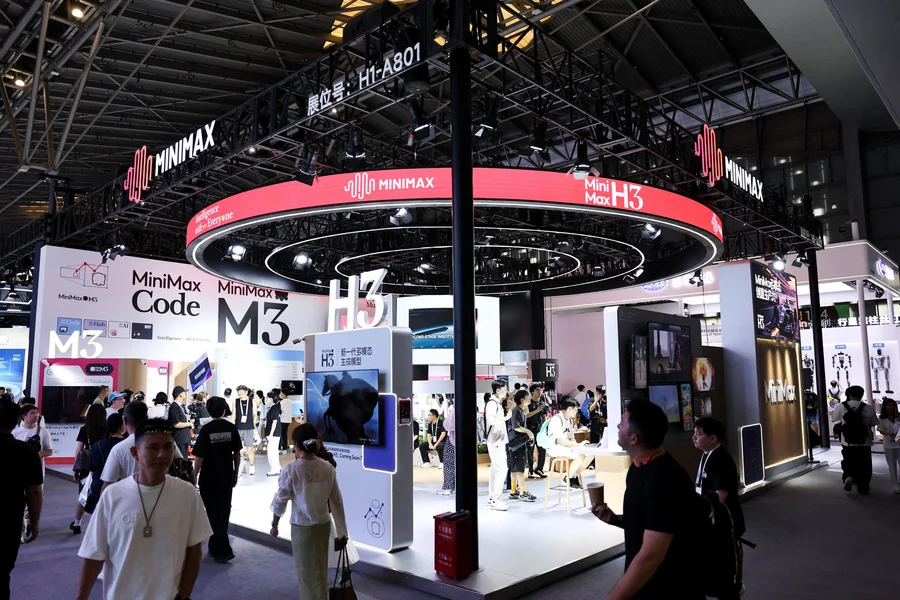
Since July 31, when MiniMax and ByteDance both dropped a flagship video model on the exact same day, your feed has probably been full of the same three numbers: 30 seconds, 4K, 50 references. Seedance 2.5’s headline specs are big, they’re easy to screenshot, and they’ve dominated almost every launch-week post. MiniMax H3 shipped quietly underneath, with far less noise around it.
But if you actually make things with these tools — a product ad, a short drama, a branded series — you already know that the number that fits in a headline isn’t the number that determines whether a project works. What actually matters is much smaller: does the character still look like the same person by the fourth shot?
In This Article
The Headline Specs, Quickly
Just so you’re working from the same page: H3 generates 4-to-15-second clips at up to 2K with native stereo audio, built from up to nine reference images, three reference clips, and three reference audio files. Seedance 2.5 generates a single continuous 30-second clip at up to 4K, and accepts a much larger pool of references — as many as 50 combined images, clips, and audio files in one job — along with region-level editing so you can fix one detail without regenerating the whole shot.
Those specs matter. But they’re not the part that breaks your project.
Why “Shot 4” Is the Real Test
Here’s the pattern that keeps showing up once creators move past the demo clips: shot one looks great. Shot two is fine. By shot three or four, something has quietly shifted — the jawline is a little different, a piece of wardrobe has changed shape, a prop has drifted color. None of it is dramatic enough to catch in a quick glance, but it’s exactly the kind of thing that makes a viewer feel like something’s “off” and swipe away before your hook even lands.
This is a much harder problem than raw duration or resolution, because it’s not something a spec sheet can promise away. It comes down to how well a model actually holds an identity across multiple, separately generated moments — and neither H3 nor Seedance 2.5 has been properly stress-tested on this yet by anyone outside the companies that built them.
How Each Model Tries to Solve It
MiniMax H3 leans on a fairly narrow but deliberately mixed reference set: a handful of images plus a couple of video and audio clips, treated as one combined context rather than separate inputs. The idea is that a tighter, well-chosen reference pack gives the model less room to drift, since it’s not trying to reconcile dozens of loosely related assets.
Seedance 2.5 takes the opposite bet. With room for up to 50 references, it’s built for the assumption that more visual anchors — different angles, lighting setups, even 3D block-out references — should keep a character locked in place over a longer, more complex take. If you’re producing something closer to a full scene than a single shot, that larger reference budget is the whole point of the model.
Neither approach has a confirmed edge yet. Early independent leaderboard rankings put H3 in third place for image-to-video quality just days after release, which is a solid showing for a brand-new model, but Seedance 2.5 hadn’t been scored on the same board at the time of writing. Vendor demo reels, unsurprisingly, tend to show the best of many attempts — not the failure rate you’d see running your own character sheet through either tool.
If you want to see where the newer model currently stands before running your own test, the Seedance 2.5 overview is a useful starting point for checking what’s officially confirmed versus what’s still a launch-week claim.
How to Actually Test This Yourself
Before you trust either model with a real project, it’s worth running a small, deliberate test rather than relying on someone else’s highlight reel:
- Build one clean character reference set — consistent lighting, multiple angles of the same outfit, not six unrelated photos that only loosely resemble the same person.
- Write one prompt and reuse it across four separate generations, changing only the shot description each time (wide, medium, close, reaction).
- Compare the character across all four shots side by side, not just clip to clip.
- Note where the drift shows up — face, wardrobe, or a prop — because that tells you which model’s reference system is actually built to catch it.
If you’d rather run through this without committing credits upfront, you can start with a Seedance free option to get a feel for how the reference system holds up before you build out a full multi-shot sequence.
What This Means If You’re Choosing Today
If your project is a single striking shot — a product reveal, a quick social clip, something that lives or dies on one continuous take — the consistency question barely matters, and H3’s speed and lower cost per second make it the more forgiving pick.
If you’re building anything with multiple beats — a character walking through a space, a short narrative, a sequence that needs to hold together as one story — the reference system is the thing to test first, before you commit to either model for a real production. Run your own shot-4 test rather than trusting a launch demo, because that’s the only place either model’s real limits will actually show up.
Both companies will keep iterating fast, and it’s likely this exact comparison looks different again in a month or two. For now, the honest answer is: test the thing that actually breaks your project, not the number that made the headline.