
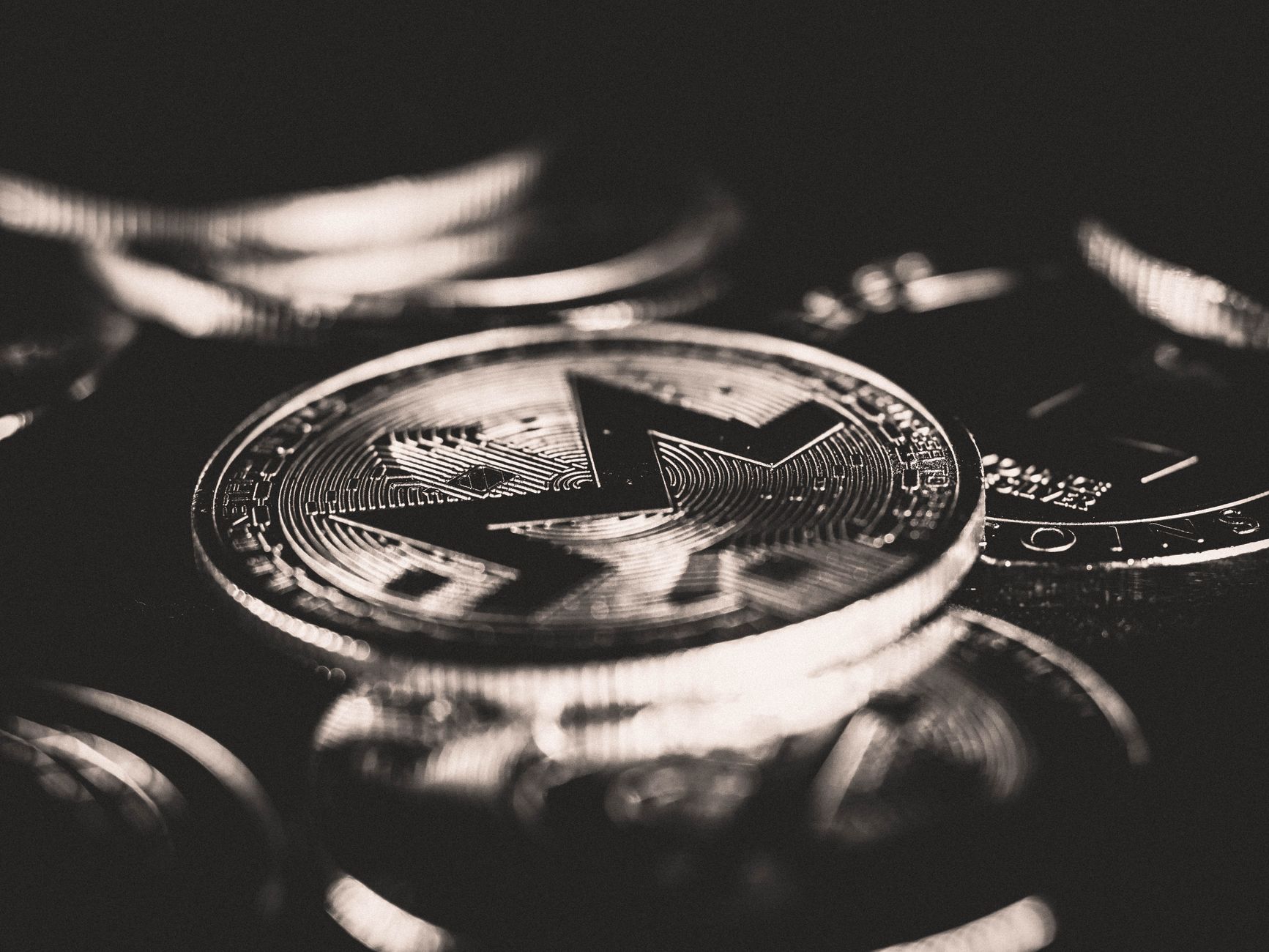
Bitcoin has long been considered the market's foundational digital asset, but it's often used not only for storage but also for subsequent conversion into other coins. One popular option is transferring to Monero, which offers increased privacy. The main reason for the popularity of such transactions is that Bitcoin (BTC) transactions are recorded on the public blockchain, while XMR is designed from the ground up for private transactions. Buyers can rest assured that their transfers will not be tracked, addresses will be linked, or balances will be analyzed.
In This Article
Guidelines for Correctly Converting BTC to XMR
Transferring a portion of your funds from Bitcoin to Monero cryptocurrency allows you to enhance the privacy of your financial transactions and reduce digital visibility. Experienced users typically plan the process in advance to avoid rushing during the transaction, paying particular attention to the choice of exchanger. To successfully exchange BTC for XMR, it's advisable to use an aggregator to find a reputable platform. In addition to saving time, buyers can expect a reduced risk of errors and delays.
There are also a number of practical considerations that directly impact the transaction outcome:
- Consider the current Bitcoin network load, as it affects transaction confirmation speed;
- Adhere to the platform's established minimum and maximum amount limits;
- Carefully verify the details, including the Monero (XMR) wallet address and transfer amount;
- Monitor fees and wait for confirmations to complete on the Bitcoin cryptocurrency network.
If you encounter any difficulties, you can contact the support team of your chosen service. Reputable platforms provide 24/7 support.
Typical Exchange Difficulties and How to Troubleshoot Them
Even if all steps are followed correctly, transactions don't always go perfectly. Among the most common issues:
- Rate fluctuations, which can cause the final amount to differ from the expected amount – in such cases, fixing the rate at the time of the transaction helps;
- Delays in receiving funds after sending Bitcoin – often resolved by checking the transaction status and updating the wallet;
- Additional checks on the origin of funds when using third-party or dubious wallet addresses;
- Temporary transaction freezes on the exchange service side, usually due to waiting for BTC network confirmations.
Such issues can arise due to technical factors, network congestion, or platform specific operating conditions.
Secure and Predictable Exchange Algorithm
Before sending BTC, it's a good idea to open two windows: the exchanger and the Bitcoin network blockchain explorer. This allows you to simultaneously monitor the transaction status and avoid wasting time searching for information after the fact. If the network is congested, users can deliberately increase the fee to prevent the transfer from being stuck for several hours.
Next, it's important to prepare your Monero (XMR) wallet in advance. Experience shows that errors most often occur at the address copying stage—even an extra character can cause problems. Therefore, many people first make a test transfer of a small amount, for example, the equivalent of 10-20 USD in Bitcoin, and only then send the bulk of the funds. You can also lock in the exchange rate before confirming your order, which is especially useful during sharp market fluctuations.
Following the recommendations above will minimize human error, eliminate unnecessary difficulties, and make the transfer convenient and profitable, even for those submitting a request to the exchange service for the first time.




1 thought on “Bitcoin (BTC) to Monero (XMR): How to Convert Between Cryptocurrencies”