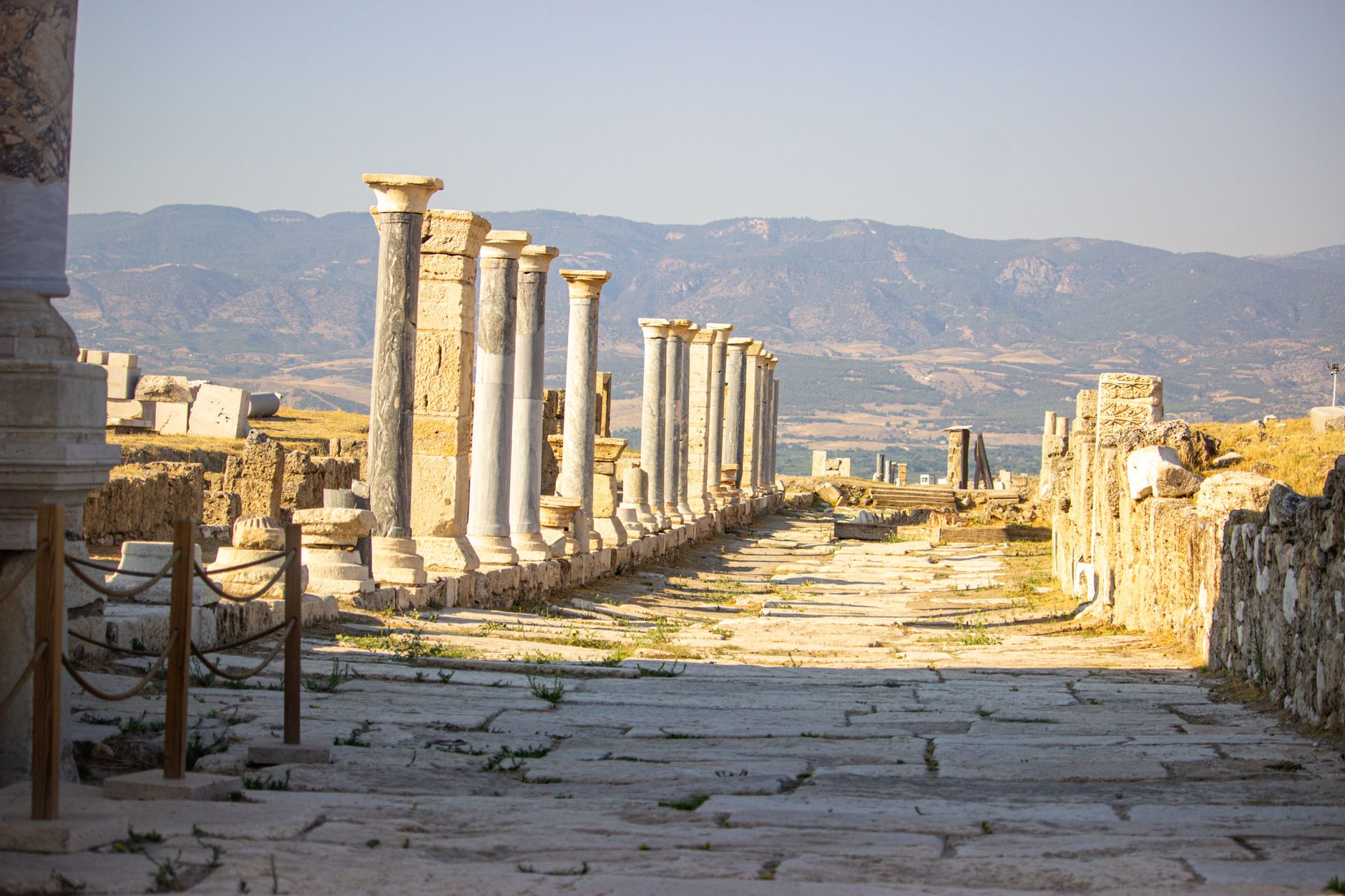
Some places do not just take you somewhere new. They take you thousands of years into the past.
Archaeological travel means visiting ancient sites, ruins, temples, tombs, cities, and museums to understand how earlier civilizations lived. Instead of learning only through books, travelers can walk through the places where history actually happened.
Imagine entering an ancient temple early in the morning. The air is quiet, the stone walls are covered with carvings, and every room seems to hold a story. At first, you may only see columns and statues. Then an expert explains what the symbols mean, why the temple was built, and how people used it.
Suddenly, the site feels alive.
The most powerful history lessons are often the ones you can walk through.
That is what makes archaeological paths so meaningful. They connect ancient places, human stories, cultural traditions, and modern curiosity.
In This Article
- What Are Archaeological Paths?
- Why Ancient Sites Feel Different in Person
- How Archaeological Travel Turns Ruins Into Stories
- What Ancient Civilizations Can Teach Us
- Archaeological Travel vs. Ordinary Sightseeing
- How to Plan a Meaningful Archaeological Journey
- Frequently Asked Questions
- Walking Through the Past
What Are Archaeological Paths?
Archaeological paths are routes that guide travelers through places connected with ancient history.
Some paths are physical. They may follow an old road, a trade route, a pilgrimage trail or a ceremonial avenue. Others are planned travel journeys that connect several important sites, museums, cities, and landscapes.
For example, an archaeological path through Egypt may connect the pyramids of Giza, the temples of Luxor, the Valley of the Kings, and monuments along the Nile.
These places are not just tourist attractions. Together, they explain how ancient Egyptians understood religion, government, death, nature, and royal power.
A true archaeological journey asks deeper questions:
- Who built this place?
- Why was it created?
- How did people use it?
- What happened to the civilization?
- What evidence has survived?
- What are researchers still trying to understand?
That deeper level of learning separates archaeological travel from ordinary sightseeing.
Why Ancient Sites Feel Different in Person
Pictures can show a monument, but they cannot fully show its scale, atmosphere, or relationship with the surrounding land.
When you stand inside an ancient site, you notice details that are easy to miss online.
You may see how sunlight enters a temple hill protected by city hills, or how a river supported farming and trade. You may also notice worn steps, narrow doors, faded paint, or broken pottery.
These small details make ancient people feel more real.
A large palace may show the power of a king. A cooking area may reveal what ordinary families ate. A workshop may explain how tools, jewelry, or pottery were made.
Archaeology is not only about rulers and monuments. It is also about daily life.
How Archaeological Travel Turns Ruins Into Stories
At first glance, ancient ruins may look like collections of old stones. However, once you understand the history, every wall, carving, and pathway begins to tell a fascinating story. That’s what makes archaeological travel so rewarding: it helps you see the people, beliefs, and events that shaped these remarkable places.
Every Stone Tells a Story
A single monument can reveal much more than its appearance. Archaeologists carefully study physical evidence to understand how civilizations developed over time.
They look for clues such as:
- Building materials and construction techniques
- Ancient inscriptions and carvings
- Pottery, tools, coins, and everyday artifacts
- Signs of rebuilding after wars or natural disasters
- Changes made by different rulers across centuries
These details help transform a pile of ruins into a living chapter of history.
Why Historical Context Matters
Knowing why a site was built makes the experience far more meaningful.
For example, an ancient temple was more than an impressive building. It often served multiple purposes, including:
- Religious ceremonies and festivals
- Honoring kings and rulers
- Community gatherings
- Recording important historical events
- Demonstrating the power and beliefs of a civilization
When you understand this context, you’re no longer just looking at architecture; you’re discovering the culture behind it.
How Expert Guides Bring History to Life
An experienced archaeologist, historian, or Egyptologist helps visitors notice details they would otherwise miss.
They can explain:
- The meaning behind ancient symbols and artwork
- How archaeologists date monuments and artifacts
- Which stories are supported by archaeological evidence
- The difference between historical facts and popular myths
- How new discoveries continue to reshape our understanding of the past
This expert interpretation turns a sightseeing trip into a much deeper learning experience.
Connecting the Bigger Picture
One of the greatest benefits of archaeological travel is seeing how different sites connect with one another.
Instead of viewing each monument separately, travelers begin to understand how civilizations were linked through:
- Trade routes and commerce
- Religious traditions
- Political power and royal dynasties
- Art, architecture, and engineering
- Daily life and cultural practices
By the end of the journey, you’re not simply visiting famous ruins, you’ve followed the story of an entire civilization and gained a deeper appreciation of the people who built it.
What Ancient Civilizations Can Teach Us
Ancient civilizations developed advanced ways to manage cities, trade, water, religion, farming, government, and architecture.
Their solutions were shaped by the environments in which they lived.
Communities in dry areas developed irrigation and water-storage systems. Coastal civilizations became skilled in sailing and trade. Mountain societies used terraces to grow food. Large cities built roads, defensive walls, storage spaces, markets, and public buildings.
These achievements show that ancient people were creative problem-solvers.
They also faced problems that still feel familiar today:
- Limited natural resources
- Political conflict
- Social inequality
- Environmental change
- Trade competition
- Disease
- Population growth
Walking through ancient ruins gives travelers a chance to think about both human progress and human mistakes.
Explore Egypt with more historical depth
Travelers who want expert guidance, thoughtfully planned itineraries, and meaningful access to ancient sites can learn more at https://archaeologicalpaths.com.
Archaeological Travel vs. Ordinary Sightseeing
| Ordinary sightseeing | Archaeological travel |
| Focuses on famous attractions | Connects sites with wider history |
| Often involves quick visits | Allows time for deeper observation |
| Gives basic dates and names | Explains culture, evidence, and meaning |
| Prioritizes photos | Prioritizes understanding |
| Treats each site separately | Connects sites through themes |
| Answers “What is this?” | Also asks “Why does it matter?” |
The main difference is depth.
You do not need to be an expert to enjoy archaeology. You only need curiosity, enough time, and reliable information.
How to Plan a Meaningful Archaeological Journey
A thoughtful plan can make the trip far more rewarding.
Choose a Clear Theme
Instead of visiting random monuments, organize the journey around a topic.
You might explore:
- Royal power in ancient Egypt
- Ancient trade routes
- Religious beliefs
- Early cities
- Greek and Roman architecture
- Tombs and burial traditions
- Water systems in ancient societies
A theme helps each place feel connected.
Balance Famous and Lesser-Known Sites
Major monuments are important, but smaller sites often reveal more about daily life.
Large temples and palaces show power. Homes, workshops, storage rooms, and local museums show how ordinary people lived.
A combination of both creates a fuller experience.
Avoid Rushing
Trying to see too many places in one day can make every site feel the same.
Leave time to walk slowly, ask questions, study details, and understand the setting. A relaxed visit is usually more memorable than a packed schedule.
Prepare for the Environment
Ancient sites were not designed for modern visitors.
Expect uneven ground, stairs, heat, dust, and limited shade. Comfortable shoes, water, sun protection, and suitable clothing can make a major difference.
Travelers with mobility concerns should ask about walking distances and accessibility before booking.
Frequently Asked Questions
What is archaeological travel?
Archaeological travel involves visiting historic sites, ruins, museums, temples, and ancient landscapes to understand past societies through the evidence they left behind.
Is archaeological travel only for historians?
No. Anyone interested in culture, history, architecture, or travel can enjoy it. A basic introduction and a knowledgeable guide are often enough.
Why is Egypt ideal for archaeological travel?
Egypt offers pyramids, temples, tombs, museums, desert landscapes, and the Nile. Its sites cover thousands of years of cultural and political history.
Are expert-led tours worth it?
They can be very helpful because experts explain the meaning behind monuments, artifacts, symbols, and historical evidence.
How can travelers protect ancient sites?
Follow site rules, stay on marked paths, avoid touching monuments, never remove objects, and support responsible travel providers.
What should I wear at archaeological sites?
Wear comfortable shoes, lightweight clothing, sun protection, and clothing that respects local customs.
How much time should I spend at a site?
It depends on the size and complexity of the place, but rushing usually reduces the experience. Major sites often deserve several hours.
What makes an archaeological journey meaningful?
A meaningful journey combines accurate information, enough time, expert interpretation, cultural respect, and genuine curiosity.
Walking Through the Past
Archaeological paths allow travelers to experience history as something physical and human.
A temple can reveal belief. A road can explain trade. A tomb can show ideas about death. A modest home can tell us how an ordinary family lived thousands of years ago.
The best archaeological journeys do more than show old places. They help us understand the people who built them and the choices that shaped their world.
So take your time, look beyond the famous monuments, and let the past surprise you along the way.